10 Brass Chair Buying Tips for Global Buyers

Time:2026-09-17 Author:Mason
0%

Global buyers are showing renewed interest in the Brass Chair, especially for hotels, restaurants, lounges, and premium residential projects. Grand View Research reports that the global furniture market continues to expand, driven by hospitality investment, urban development, and higher demand for designed interiors. The Business Research Company also identifies international e-commerce and customized furniture as important market forces. These figures are useful, but they do not guarantee a successful purchase. Market data rarely reveals weld quality, packaging damage, or inconsistent brass color.

A Brass Chair should be judged beyond its photograph. Check the frame material, tube thickness, joint construction, seat support, surface coating, and tested load capacity. Ask for finish samples under warm and cool lighting. Request pre-shipment photographs. Confirm carton dimensions and replacement-part policies. A chair that looks golden in a studio may appear orange beside natural stone. Small details become expensive across hundreds of units.

Dieter Rams, a leading product-design authority, said, “Good design is as little design as possible.” His principle applies to commercial seating: decoration should not hide weak engineering. Experienced buyers should compare supplier samples, inspection records, certifications, and total landed cost. Freight, duties, storage, and rejected units can change the original price sharply. No checklist removes every risk. Even careful buyers can overlook a hidden weld or a fragile coating. That is why these 10 Brass Chair buying tips focus on evidence, not promises, helping global purchasers make clearer, more durable, and more accountable sourcing decisions.
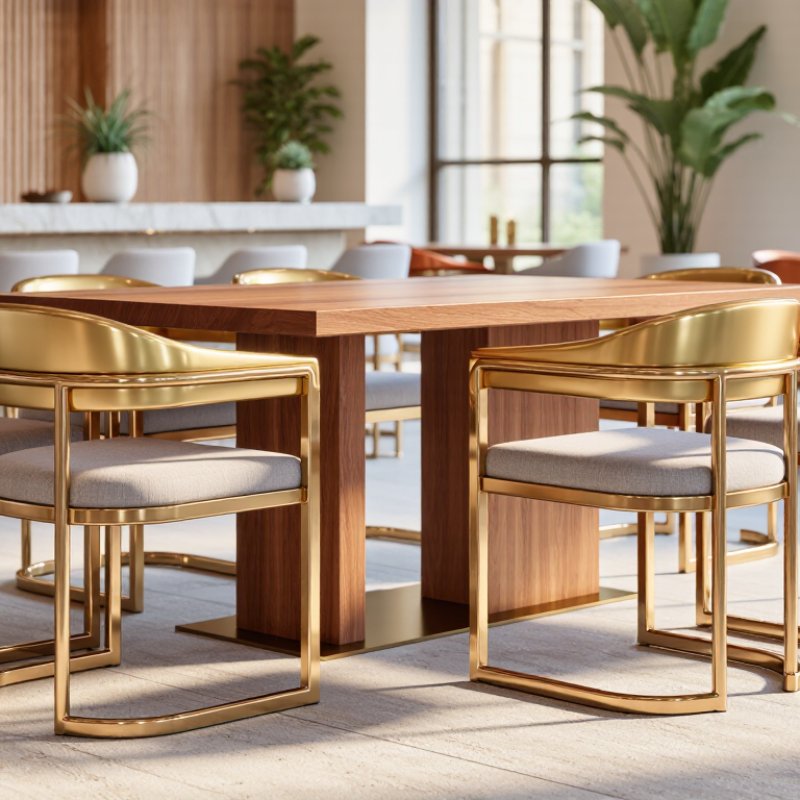
10 Brass Chair Buying Tips for Global Buyers

Define Your Use Case, Style, Quantity, and Target Market

10 Brass Chair Buying Tips for Global Buyers

Define Your Use Case, Style, Quantity, and Target Market

Define the use case before comparing finishes or prices. Dining rooms, hotels, cafés, and event venues need different chair specifications. Measure table height, aisle width, storage space, and expected daily traffic. A busy café may need reinforced joints and easy-clean upholstery. A private dining room may prioritize comfort and visual warmth. Test a sample chair for at least one hour. Comfort often changes after prolonged sitting. It is easy to trust photographs too much.

Match the style with the target market’s habits and interior preferences. Warm brass suits classic rooms, while muted finishes support modern spaces. Ask for finish samples under daylight and indoor lighting. Color can shift dramatically on a showroom screen. Check seat dimensions, back support, foam density, and fabric performance. Request production drawings and a clear packing specification. Confirm the available quantity, production schedule, spare parts, and inspection process before placing a large order. The first quantity estimate is often wrong. A small pilot order may reveal hidden shipping or assembly issues.

Compare total landed cost, not only the chair price. Include packaging, freight, duties, warehousing, and possible replacement units. Inspect welds, plating consistency, screw alignment, and floor protection. Photograph each approved detail for later quality checks. Use written acceptance standards with measurable tolerances. Consider recyclable packaging and responsible material documentation. Regional climate also matters, especially humidity and salt exposure. Recheck every assumption before scaling. Small details become expensive at volume.

Evaluate Brass Quality, Chair Structure, Comfort, and Finishing

Global buyers should judge brass chairs as working furniture, not decorative metal alone. Ask for the brass grade, tube thickness, and test method in writing. Color is only a clue. Brass may be solid, plated, or wrapped around another material. A magnet check can expose steel, but it cannot prove brass purity. Request a cutaway sample or material certificate from a qualified supplier. Inspect welds, joints, and frame alignment under direct light. Press the seat gently; movement often signals weak connections. One sample is not enough.

Comfort deserves equal attention. Measure seat height, depth, back angle, and arm clearance against your table. Sit for ten minutes, not ten seconds. Firm foam may support diners better, yet very hard padding can discourage longer use. Check rounded edges, stable feet, and protective glides on stone or timber floors. Finishing should resist fingerprints, moisture, and ordinary cleaning. Ask whether the coating is lacquered, brushed, polished, or intentionally aged. Request abrasion and color-consistency records for larger orders. I once trusted a bright showroom chair and missed uneven finishing beneath the seat. That mistake changed my inspection checklist. Review a production sample before approving the full shipment.

Check Dimensions, Customization Options, Safety, and Compliance

10 Brass Chair Buying Tips for Global Buyers

Measure seat width, depth, height, and back angle before discussing finishes. Allow leg clearance under nearby tables. Check the packed dimensions, doorway width, and pallet weight too. A beautiful sample can still fail installation. Ask for ten details: brass grade, tube thickness, weld method, foam density, fabric code, finish, load rating, floor protection, packaging, and replacement parts. Request a full-size prototype, not only a digital drawing. Custom colors need a physical approval panel. Brass patina varies under different humidity and cleaning routines. That detail is often underestimated.

Safety and compliance require documents, not confident emails. Request stability, static-load, fatigue, and edge-safety test reports from an independent laboratory. ISO 7173 covers seating strength and durability, while EN 12520 addresses domestic seating safety. Contract and public-use projects may require EN 16139 or BIFMA performance criteria. Match every test to the destination market. The U.S. Consumer Product Safety Commission’s 2022 furniture tip-over report shows thousands of emergency-department injuries each year, so stability deserves practical testing. Check non-slip feet on polished floors. Verify that coatings, adhesives, and textiles meet applicable chemical limits, such as REACH requirements in Europe. Keep batch numbers and declarations of conformity. One recurring inspection mistake is accepting a certificate for a similar model. It is not enough. Recheck load ratings after customization, because thicker brass, altered welding, or a taller frame can change balance.

Compare Suppliers, Samples, Prices, Minimum Orders, and Lead Times

10 Brass Chair Buying Tips for Global Buyers

Compare Suppliers, Samples, Prices, Minimum Orders, and Lead Times

A brass chair can look elegant online, yet photographs hide weight, weld marks, and uneven plating. Request a physical sample before approving production. Check the frame joints, seat height, balance, surface finish, and underside protection. Sit on it repeatedly. A showroom sample may feel strong but reveal looseness after daily use.

Compare at least three suppliers using the same specification sheet. Record brass composition, tube thickness, cushion materials, carton dimensions, and packaging layers. Ask whether the quoted price includes sampling, tooling, inspection, export packing, and delivery to your port. The lowest price is not always economical. Sometimes it excludes important details.

Confirm the minimum order quantity in writing. A small test order may carry a higher unit cost, but it reduces inventory risk. Ask for the production lead time, sample lead time, and delay policy. Include time for approval changes and pre-shipment inspection. I once underestimated packaging review and lost several working days. That mistake was avoidable.

Check finish consistency under natural light. Request close-up photos from different batches. Ask for a care sheet and replacement-part options. Verify payment stages and document every revision. Keep one approved sample with signed measurements. Small differences become expensive at scale. Some buyers still trust promises over records. That is risky.

Review Packaging, Shipping Terms, Warranty, and After-Sales Support

10 Brass Chair Buying Tips for Global Buyers

Brass chairs often travel farther than expected. Packaging deserves careful review before payment. Ask for double-wall cartons, corner guards, and moisture-resistant wrapping. Each chair should be separated with foam or honeycomb paper. Exposed brass can scratch against metal legs during vibration. Request photos of packed samples, not only finished chairs. I once accepted attractive product photos and ignored carton strength. Several edges arrived dented. That mistake still influences my inspection checklist.

Shipping terms need plain explanations. Confirm whether the quoted price includes export handling, freight, insurance, and destination delivery. Compare the agreed Incoterm with the actual invoice. Ask who manages customs documents and port storage charges. Request the carton size, gross weight, and pallet count before booking transport. Small measurement errors can change freight costs sharply. Sea shipping may reduce cost, but it needs stronger moisture protection. Air shipping is faster, yet unsuitable packaging can still fail.

Warranty language should identify defects, coverage periods, and claim procedures. Clarify whether finishes, welds, screws, and seat materials receive separate coverage. Ask how replacement parts will be sent and who pays the freight. After-sales support should include a named contact, response times, and repair guidance. Keep inspection photos, serial references, and delivery records. A vague promise is not enough. However, even a detailed warranty cannot fix poor documentation. Review every condition before approving the order.

FAQS

How can I verify the brass quality of a chair?

Ask for the brass grade, tube thickness, and test method in writing. Brass may be solid, plated, or wrapped around another material. A magnet can expose steel, but it cannot prove brass purity. Request a cutaway sample or material certificate.

What frame details should I inspect?

Examine welds, joints, and frame alignment under direct light. Press the seat gently. Movement often signals weak connections. Check one production sample carefully. One sample alone is not enough.

How should I judge chair comfort?

Measure seat height, depth, back angle, and arm clearance against your table. Sit for ten minutes. Not ten seconds. Firm foam may support diners better, while very hard padding can discourage longer use.

Which finishing details matter during inspection?

Ask whether the finish is lacquered, brushed, polished, or intentionally aged. Check fingerprints, moisture marks, and ordinary cleaning resistance. Inspect beneath the seat too. I once missed uneven finishing there, and my checklist changed afterward.

What dimensions should I confirm before placing an order?

Confirm seat width, depth, height, back angle, and leg clearance. Also measure packed dimensions, doorway width, and pallet weight. A beautiful sample can still fail installation.

Which customization details deserve written confirmation?

Record the brass grade, weld method, foam density, fabric code, finish, load rating, and floor protection. Request a full-size prototype, not only a digital drawing. Approve custom colors using a physical panel. Patina can vary with humidity.

What safety documents should a supplier provide?

Request independent reports covering stability, static load, fatigue, and edge safety. Match each report to the destination market and chair model. A certificate for a similar model is not enough. Recheck the load rating after customization.

How can I reduce damage during delivery and installation?

Confirm packaging, replacement parts, batch numbers, and declarations of conformity. Protect stone and timber floors with suitable glides. Check non-slip feet on polished surfaces. Packaging details seem minor, but damaged corners are expensive to correct.

Conclusion

Buying a Brass Chair for international projects requires more than choosing an attractive design. Start by defining its intended use, preferred style, required quantity, and target market. Then assess the brass quality, frame structure, seating comfort, welds, joints, surface finishing, and resistance to wear. Confirm the chair’s dimensions and ask whether customization is available for colors, fabrics, materials, or logo-free project requirements. Safety, stability, load capacity, and relevant market compliance should also be reviewed before placing an order.

To make a reliable purchasing decision, compare suppliers according to product consistency, communication, samples, pricing, minimum order quantities, and production lead times. Request clear information about packaging methods, shipping terms, insurance responsibilities, warranty coverage, and after-sales support. A thorough comparison helps reduce transportation risks, avoid unexpected costs, and ensure that the final Brass Chair meets both functional expectations and local market requirements.


Mason

Mason

Mason is a seasoned marketing professional with a deep expertise in the company's offerings and a passion for driving brand awareness. With a strong background in digital marketing strategies, he has an innate ability to connect with diverse audiences and effectively communicate product benefits.......