In today's globalized market, companies seek unique products that resonate with consumers. Handicrafts stand out as a perfect choice. They bring authenticity and cultural depth. Many people appreciate the story behind each piece. When sourcing handicrafts, you support local artisans and preserve traditional skills. This creates a meaningful connection between the maker and the buyer.
Handicrafts often showcase exceptional craftsmanship. Each item reflects the values and traditions of its origin. However, businesses sometimes overlook the complexities involved in sourcing these products. Finding reliable suppliers can be a challenge. Variability in quality and consistency often emerges. Despite these obstacles, many brands are committed to these artisanal goods. They recognize the value of ethical sourcing and sustainability.
Selecting handicrafts for global sourcing offers opportunities. Nevertheless, it requires careful consideration and a willingness to navigate potential hurdles. Ultimately, the right approach can lead to rewarding partnerships and distinctive products that enhance brand identity.
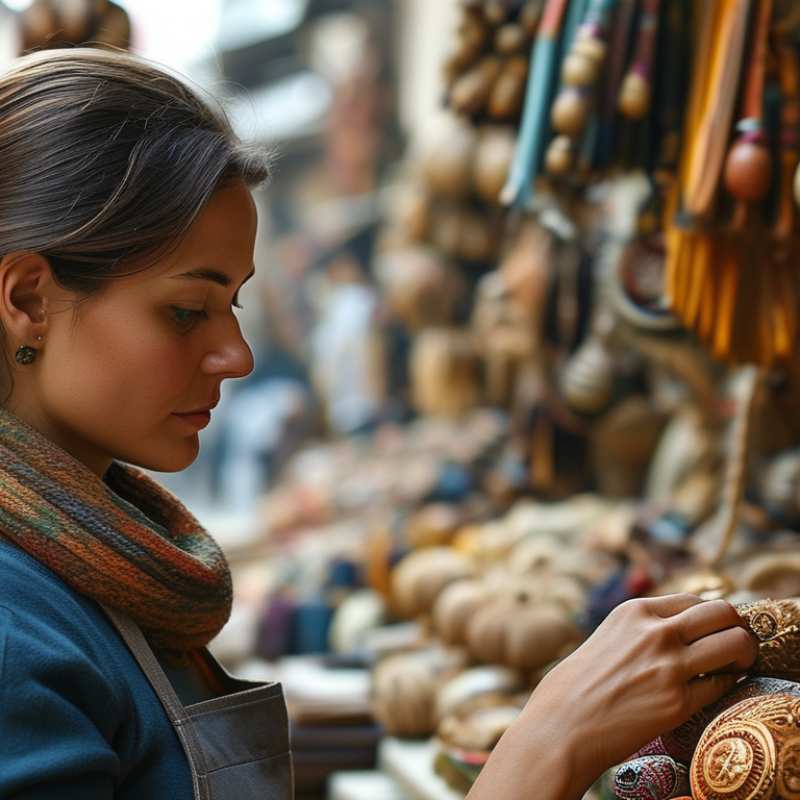
Handicrafts have gained attention in global sourcing strategies due to their unique advantages. These products showcase the skill and creativity of local artisans. When sourcing handicrafts, businesses contribute to preserving cultural heritage. This supports local economies while providing distinctive products that stand out in the marketplace.
Choosing handicrafts can foster stronger relationships with suppliers. These relationships are often rooted in shared values and community support. Handicrafts typically offer a lower carbon footprint compared to mass-produced items. However, relying solely on handicrafts may pose challenges. Quality control can vary, and it requires diligent oversight. Artisans may lack the resources to scale production efficiently.
Sourcing handicrafts encourages ethical consumption. Customers increasingly prefer products with a story and social impact. This trend can differentiate brands in competitive markets. However, buyers must understand the limitations of artisan production. Balancing quality and quantity is essential for sustainable sourcing. Embracing handicrafts in sourcing isn’t just about aesthetics; it’s about building a more responsible supply chain.
Handicrafts hold a unique cultural significance in global markets. They represent traditional artistry and reflect the heritage of communities worldwide. According to a report by the World Trade Organization, the handicraft sector is valued at around $300 billion annually. This underlines the economic potential tied to these products, yet it also highlights the need for ethical sourcing practices.
The intricate designs and techniques involved in creating handicrafts are often passed down through generations. For example, a study from the United Nations Conference on Trade and Development (UNCTAD) indicates that over 40% of handicrafts are produced in developing countries. They not only provide income for artisans but also contribute to preserving cultural identity. However, challenges remain. The commodification of handicrafts risks diluting their cultural essence. With rising demand, artisans may be pressured to mass-produce, potentially leading to a loss of authenticity.
Additionally, consumer awareness is growing. Many buyers seek products with a story. Authenticity is valued, but not all products marketed as handicrafts deliver this. Transparency in sourcing is vital. Industry reports suggest that creating an informed market could enhance the sustainability of handicraft industries and protect cultural legacies. Balancing commercial viability with cultural preservation is a complex challenge facing artisans today.
Handicrafts have emerged as a popular choice for businesses seeking sustainable sourcing solutions. These unique products are often created in small workshops or by individual artisans, which fosters a direct connection to local cultures. Such connections enhance the authenticity of the products. Moreover, handicrafts can encourage sustainable practices by utilizing locally sourced materials, thus minimizing transportation emissions.
In addition to being eco-friendly, many artisans prioritize ethical practices. Fair wages and working conditions are often upheld in handicraft production. This approach not only supports artisan communities but also helps reduce exploitation. However, it is essential to approach this sector with discernment. Not every handicraft producer may prioritize ethical standards. Researching suppliers thoroughly is vital to ensure your sourcing aligns with these values.
Choosing handicrafts does come with challenges. While the products are often unique, they may not always meet uniform quality standards. This can lead to inconsistencies in sourcing. Businesses must be willing to navigate these complexities to authentically support artisans and promote sustainability. Taking the time to understand the intricacies of handicraft sourcing can create a meaningful impact, both ethically and environmentally.
| Category | Sustainability Aspect | Ethical Practices | Impact on Local Communities |
|---|---|---|---|
| Textiles | Natural dyes and fibers, low water usage | Fair wages, safe working conditions | Empowers artisans, preserves traditional skills |
| Ceramics | Locally sourced materials, minimal waste | Support for local craftsmanship, ethical labor practices | Creates jobs, supports community heritage |
| Woodwork | Sustainable timber sourcing, eco-friendly finishes | Recognition of artisans’ rights, fair trade practices | Economic development, supports artisan cooperatives |
| Jewelry | Recycled materials, low carbon footprint | Transparency in sourcing, ethical labor | Enhances social status of artisans, community support |
Handicrafts play a vital role in supporting local economies. According to the World Crafts Council, handicrafts represent a $500 billion global market, significantly contributing to the livelihoods of millions. They provide employment opportunities, especially for women and marginalized communities. Engaging in artisanal sourcing ensures that these creators receive fair wages, which directly impacts their communities.
When sourcing handicrafts, one often encounters unique products crafted from local materials. These items reflect cultural heritage and traditions. However, navigating the handicraft market can be challenging. Quality can vary, and sometimes the production processes are not environmentally sustainable. Responsible sourcing involves due diligence. Buyers should evaluate the artisans’ practices and ensure that they align with ethical standards.
Local economies thrive when handicrafts are valued. Every item sold benefits the artisan and their family. The potential for social impact is enormous. However, it is essential for buyers to engage thoughtfully. Supporting local artisans should be a collaborative effort, fostering creativity while ensuring sustainability. Each partnership can be a step toward a more equitable global economy.
Handicrafts have gained recognition across various industries for their unique qualities. They offer a blend of traditional artistry and modern functionality. Many companies are realizing the potential of incorporating handicrafts into their product lines. The versatility of these items allows for wide-ranging applications, from home decor to textiles.
In the fashion industry, artisans create garments that tell stories. Handcrafted accessories can add uniqueness to any outfit. They reflect cultural heritage and local craftsmanship. This connection to traditional methods often appeals to environmentally conscious consumers. Products made with sustainable practices gain trust and credibility.
Handicrafts also find a place in the hospitality sector. Hotels often use handcrafted items to enhance their decor. These pieces can create a warm, inviting atmosphere. They help connect guests to the local culture. However, not all handicrafts meet quality standards. It is essential for businesses to verify the artisans' skills and materials used. By doing so, they can ensure reliability in their sourcing choices.
: Handicrafts reflect traditional artistry and heritage, connecting communities worldwide. They represent unique cultural identities.
The handicraft sector is valued at roughly $300 billion annually, highlighting its economic potential.
Artisans may feel pressured to mass-produce, risking authenticity. The commodification of handicrafts can dilute cultural essence.
Look for transparency in sourcing. Research products to ensure they authentically represent cultural heritage and craftsmanship.
Fair wages and safe working conditions are essential to support artisan communities. Not all producers uphold these standards.
Handicrafts often use locally sourced materials, reducing transportation emissions. They encourage sustainable practices among artisans.
Variability in artisan skills and materials can lead to inconsistent quality. Verify artisans' expertise before sourcing.
Handcrafted garments and accessories tell stories, reflecting cultural heritage and appealing to environmentally conscious consumers.
Handicrafts add uniqueness and authenticity to products. They connect consumers to local cultures and enhance overall appeal.
Not every handicraft product is ethical. Consumers must discern between authentic handicrafts and those that are improperly marketed.
Handicrafts play a crucial role in global sourcing strategies by offering unique benefits that can enhance product offerings. They carry significant cultural value, allowing companies to connect with diverse markets while celebrating local traditions. By prioritizing handicrafts, businesses foster sustainability and ethical practices, ensuring that production methods respect both the environment and artisan communities.
Furthermore, sourcing handicrafts supports local economies, providing livelihoods to artisans and fostering economic empowerment. The versatility of handicrafts also extends across various industries, from fashion to home décor, making them an attractive choice for companies looking to diversify their product lines while making a positive impact on society. Embracing handicrafts not only enriches the sourcing process but also contributes to a more responsible and culturally aware marketplace.

Buterfleoge