Choosing the best Brass Mirror begins with more than matching a frame to your wall. It requires attention to proportion, finish, lighting, and daily use. A large mirror can brighten a narrow hallway, while a smaller round design may soften a sharp bathroom layout. Measure the wall carefully. Leave enough space around the mirror for visual breathing room.
Interior designer and design authority William Morris offered a useful principle: “Have nothing in your houses that you do not know to be useful, or believe to be beautiful.” This idea remains practical when selecting a Brass Mirror. Look for solid construction, secure mounting hardware, and a finish that suits your room’s atmosphere. Polished brass creates a brighter, more formal impression. Brushed or aged brass feels quieter and hides small fingerprints better.
Do not ignore the glass.
Clear, well-finished glass gives a truer reflection and avoids distracting distortion. In humid rooms, inspect the backing and edge protection before buying. A beautiful frame cannot compensate for poor moisture resistance. I have seen mirrors that looked perfect online but appeared too yellow beside warm wood floors. Samples help. Your screen may mislead you.
The best choice balances beauty and function. Consider where the mirror will hang, how light changes during the day, and whether its finish will age gracefully. A Brass Mirror should not merely fill empty space. It should make the room feel more intentional, even if your first choice needs reconsideration.
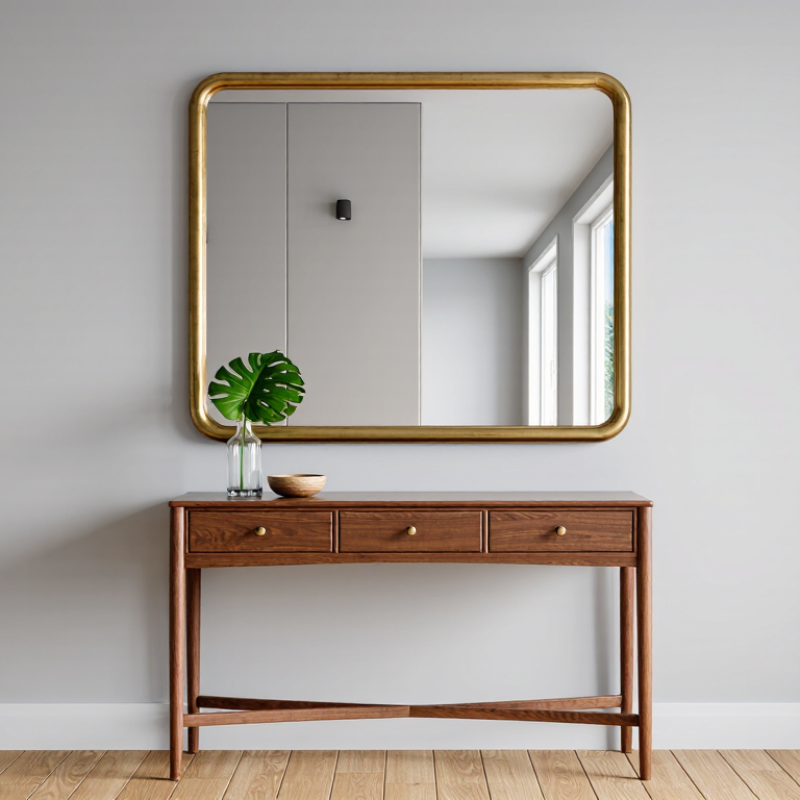
Brass mirrors can change a room before any furniture does. Their style depends on shape, frame depth, surface texture, and the color of the metal. A round mirror feels softer and works well above a small console. Arched designs add architectural character, especially in bedrooms or narrow hallways. Rectangular mirrors create a cleaner, more structured effect over a vanity or double sink.
The brass finish also shapes the room’s mood. Polished brass reflects light sharply and suits elegant, contemporary interiors. Brushed brass looks quieter, with fine lines that hide small fingerprints. Aged brass adds warmth through darker edges and uneven tones. Hammered surfaces provide visible texture, but they may compete with patterned tiles. In my experience, a thin frame helps a compact room feel open. However, I once chose a deep frame for a small bathroom, and it made the wall feel crowded.
Check the mirror’s practical features before trusting its appearance. A sealed back protects the glass in humid rooms, while secure wall fittings reduce movement and damage risks. Measure the wall, vanity, and surrounding lights carefully. The frame should not block switches or touch nearby shelves. Natural light can make yellow brass look brighter than expected. Test a finish beside your flooring and cabinet handles. I still find color matching difficult under artificial light. That small detail deserves more attention.
Choosing the right mirror size begins with the wall, not the frame. Measure the available width and height before browsing decorative options. For a vanity, leave about 10 to 15 centimeters of wall space on each side. This gap keeps the brass frame visible without making the area feel crowded. A mirror should usually be narrower than the furniture beneath it.
For a console table, choose a mirror around two-thirds of the table’s width. In a narrow hallway, a tall rectangular mirror can visually raise the ceiling and support quick outfit checks. Round mirrors soften rooms filled with straight furniture, such as cabinets, shelves, and square tiles. Arched shapes add height but may feel awkward beside strongly horizontal artwork. Shape matters.
I once selected a mirror that looked elegant online but overwhelmed a small bedroom. The frame was attractive, yet the proportions were wrong. That mistake taught me to use paper templates before drilling. Cut cardboard to the proposed size and tape it to the wall for a day. Observe it in morning and evening light. Brass surfaces can appear warmer near lamps and paler beside cool daylight. Allow space for doors, lighting, and wall fixtures. A large mirror may reflect clutter instead of making the room feel larger. Perfect balance is difficult, and personal comfort should influence the final measurement.
Choosing a brass mirror begins with the finish, not the frame shape. The right tone should connect naturally with your room’s existing materials. Polished brass adds brightness and suits clean, contemporary interiors. Its reflective surface works well beside white walls, glass, and pale stone. It can feel too sharp in a relaxed, rustic room.
Brushed brass offers a softer appearance. Its fine texture hides fingerprints and small marks, which helps in busy bathrooms or entryways. I often recommend it for transitional spaces with oak, linen, or warm gray paint. Antique brass brings deeper color and visible variation. It pairs comfortably with traditional furniture, dark wood, and handmade ceramics. However, “antique” finishes differ widely, so a small sample matters.
Check the mirror beside your actual lighting. Daylight may make brass appear yellow, while warm bulbs can make it look brown. Hold the sample near cabinet handles, faucets, and picture frames. They do not need to match perfectly, but their undertones should not compete. I once chose a polished finish that looked elegant in a showroom and overly bright at home. That mistake changed my process.
Look closely.
A reliable choice also depends on maintenance. Lacquered surfaces may resist tarnishing, while unlacquered brass develops a changing patina. Some homeowners enjoy that character; others find it untidy. Think honestly about your habits before choosing. A beautiful finish can become frustrating when it demands care you will not provide.
Matching the brass finish with your home’s interior style
Satin and brushed brass create a softer, balanced look in contemporary and Scandinavian interiors. Polished brass adds brightness and contrast to modern and Art Deco spaces, while antique brass works especially well with traditional and industrial rooms. The scores represent practical design guidance based on warmth, contrast, texture, and visual harmony.
How to Choose the Best Brass Mirror for Your Home?
A brass mirror should begin with reliable glass, not its golden finish. Check for a flat, undistorted reflection by viewing a doorway from several angles. Slight waviness often indicates poor manufacturing or weak support. The Glass and Glazing Federation recommends checking glass for visible defects, edge damage, and coating failure before installation. For safer homes, choose glass meeting ANSI Z97.1 or EN 12150 standards. Tempered glass breaks into smaller fragments, but it is not unbreakable. That distinction matters.
Frame construction deserves equal attention. Solid brass usually feels denser and resists bending better than thin decorative sheet metal. Inspect soldered corners, rear brackets, and the finish around screw holes. The frame should sit evenly against the wall, without rocking. The U.S. Consumer Product Safety Commission reports that home injuries frequently involve falls and unstable household objects, so secure mounting is not optional. Use wall anchors rated for the mirror’s actual weight, not an estimate. A 90-centimetre mirror can become surprisingly heavy.
Moisture changes the decision in bathrooms. Look for sealed backing, protected edges, and corrosion-resistant fixings. The National Kitchen and Bath Association’s 2024 Design Trends Report identifies durable, low-maintenance materials as continuing priorities in bathroom renovations. I would still inspect the back personally. Some attractive frames hide unfinished edges. I have overlooked that before. Measure twice, then test the mounting position with paper before drilling. A beautiful mirror feels poorly chosen when its reflection bends, its frame loosens, or its brass darkens within months.
| Evaluation Dimension | Priority | What to Check | Recommended Specification | Why It Matters |
|---|---|---|---|---|
| Glass Thickness | High | Confirm the nominal thickness listed in the product specification. | 5–6 mm for most wall-mounted residential mirrors; thinner glass may be suitable for small, fully supported designs. | Thicker glass generally offers better rigidity and resistance to visual distortion, especially on larger surfaces. |
| Reflection Clarity | High | Inspect the reflection from several angles and under bright, even lighting. | The reflected image should appear straight and consistent, without ripples, waves, dark patches, or visible discoloration. | Uneven reflection can indicate manufacturing stress, inadequate support, or a low-quality glass surface. |
| Mirror Coating | High | Look for information about the reflective coating and protective backing. | A uniform silvered or aluminum reflective layer with a sealed protective backing; avoid exposed or damaged backing. | A protected backing helps reduce deterioration caused by moisture, cleaning products, and accidental abrasion. |
| Edge Finishing | High | Run a visual inspection along every accessible edge without touching sharp areas. | Prefer polished, seamed, beveled, or fully enclosed edges with no chips, cracks, sharp points, or exposed glass. | Properly finished edges reduce cut hazards and help prevent small chips from developing into larger damage. |
| Frame Material | High | Check whether the frame is solid brass, brass-plated metal, or another substrate with a brass-colored finish. | Choose a frame construction that clearly states its base material and uses a durable, even finish. | Material transparency helps set realistic expectations for strength, weight, corrosion resistance, and maintenance. |
| Frame Joint Quality | High | Inspect corners, welds, soldered joints, and trim connections. | Joints should be aligned, firmly connected, free from gaps, and free from sharp burrs or unstable decorative parts. | Strong, well-aligned joints help the frame remain square and support the glass evenly over time. |
| Finish and Corrosion Resistance | Medium | Review the care instructions and inspect the finish for pinholes, bubbling, or uneven color. | For bathrooms or humid rooms, select a sealed finish and keep the mirror away from direct water spray. | Brass and brass-colored finishes can tarnish or spot when exposed to moisture, salts, and harsh chemicals. |
| Backboard and Padding | High | Check whether the rear panel protects the glass and keeps it separated from the wall. | A rigid, moisture-resistant backboard with suitable pads or spacers and no pressure points against the glass. | Even support reduces flexing, wall contact, vibration, and the risk of damage during installation. |
| Mounting Hardware | High | Compare the mirror weight with the rated capacity of the anchors, screws, cleats, or brackets. | Use hardware appropriate for the wall type, such as wood studs, masonry, or properly rated drywall anchors. | A strong mirror still requires a suitable load path from the frame into the building structure. |
| Safety Glass Option | High | Determine whether the mirror uses safety glazing or has a safety film applied to the rear. | Prefer tempered or laminated mirror glass, or a properly bonded safety film, particularly for large, low, or high-traffic installations. | Safety glazing or retention film can help reduce the spread of loose sharp fragments if the glass breaks. |
| Size and Weight | High | Measure the available wall area and confirm the complete assembled weight. | Allow clearance from doors, furniture, heat sources, and plumbing; verify that the wall and hardware can carry the load. | Large brass-framed mirrors may be substantially heavier than frameless mirrors of the same size. |
| Bathroom Suitability | Medium | Assess ventilation, splash exposure, and distance from sinks or showers. | Use in a ventilated area, wipe off condensation, and avoid prolonged standing water on the frame or lower edge. | Routine moisture control helps protect both the brass finish and the mirror backing. |
| Cleaning Compatibility | Medium | Read the manufacturer’s care guidance before selecting cleaning products. | Use a soft lint-free cloth and a mild glass cleaner applied to the cloth, not sprayed directly onto the frame or edges. | Direct spraying and abrasive or acidic cleaners can seep behind the glass or damage the brass finish. |
| Installation Method | High | Check whether the mirror is designed for vertical, horizontal, cleat, bracket, or French-cleat installation. | Use the specified orientation and secure every required fixing point; obtain professional installation for oversized units. | Correct installation prevents frame twisting, uneven loading, and accidental detachment. |
| Final Purchase Decision | High | Compare the specification sheet, warranty terms, included hardware, and return conditions. | Select the mirror that meets the glass, structural, and safety requirements before comparing decorative details. | Aesthetic appeal is valuable, but it should not replace verified construction quality and secure installation. |
Choosing a brass mirror involves more than matching a warm metallic finish to your bathroom tiles. Installation affects both safety and long-term value. A large framed mirror may need two wall anchors, especially on drywall. Heavier models should be secured to studs or masonry. Backlit mirrors also require professional electrical installation. HomeAdvisor’s 2024 cost data places typical bathroom mirror installation near $160–$500, depending on size, wiring, and wall conditions. That range can grow quickly.
Maintenance depends on the brass coating. Lacquered brass usually needs only a soft cloth and diluted soap. Unlacquered brass develops a natural patina, which some homeowners appreciate. Others may find the darkening uneven. Never use abrasive pads; they can leave fine scratches around the frame. Houzz’s 2024 U.S. Bathroom Trends Study reports that 84% of renovating homeowners upgraded their shower areas, showing how heavily bathrooms are being improved. A mirror should support that investment, not become a fragile afterthought. I have seen attractive finishes age badly when moisture reaches exposed edges.
Tips: Measure the wall, doorway, and mounting height before ordering. Confirm the mirror’s weight and hardware type. Leave ventilation around the frame. Check the warranty language, especially for finish discoloration. A cheaper mirror may cost more when replacement hardware, electrical work, or frequent polishing enters the calculation. Choose the finish you can maintain, not merely the one that photographs best.
Measure the usable wall width and height before choosing a frame. Leave 10 to 15 centimetres beside a vanity.
Choose a mirror about two-thirds the table’s width. This keeps the arrangement balanced without making the furniture feel crowded.
Use tall rectangles in narrow hallways. Round mirrors soften straight furniture. Arched mirrors add height but may conflict with horizontal artwork.
Cut cardboard to the proposed dimensions. Tape it to the wall for one day. Check it in morning and evening light.
Look for a flat reflection from several angles. View a doorway and watch for waviness, edge damage, or coating problems.
No. Tempered glass usually breaks into smaller fragments, but it can still fail. Choose glass meeting suitable safety standards.
Inspect the corners, rear brackets, screw holes, and wall contact. The frame should sit evenly without rocking.
Use wall anchors rated for the mirror’s actual weight. Do not rely on a rough estimate. A 90-centimetre mirror may feel surprisingly heavy.
Choose sealed backing, protected edges, and corrosion-resistant fixings. Moisture can darken brass and damage exposed materials.
Not always. It may reflect clutter, doors, or harsh lighting. I once chose an attractive frame with poor proportions. The room felt smaller.
Choosing the best Brass Mirror for your home begins with understanding how different styles and design features influence the overall atmosphere. Consider whether a simple, modern frame, an ornate traditional border, or a minimalist shape will complement your existing décor. The mirror’s size and shape should also suit the wall and room proportions, while creating a practical reflection area without making the space feel crowded. Round, rectangular, arched, and unusual geometric designs can each produce a distinct visual effect.
Pay close attention to the brass finish, selecting a tone that works naturally with your interior style, whether warm, classic, industrial, or contemporary. Glass quality is important for a clear, undistorted reflection, while a sturdy frame and secure backing improve durability and safety. Before purchasing, review installation requirements, including mounting hardware and wall support. Finally, compare cleaning needs, long-term maintenance, and overall value to ensure your Brass Mirror remains attractive, functional, and reliable for years.
Buterfleoge