In 2026, the world of interior design is poised for exciting trends, particularly in mirror aesthetics. Brass mirrors are gaining popularity for their unique charm and versatility. They blend elegance with functionality and enhance various decor styles. Designers and buyers alike are looking for innovative ways to incorporate these fixtures into their spaces.
Brass mirrors offer a warm, golden hue that adds character to any room. From vintage to modern designs, they cater to a wide range of tastes. Global buyers are keen on sourcing these mirrors, drawn by their enduring appeal and craftsmanship. However, not all brass mirrors meet quality standards; some designs may lack durability or finish.
In this evolving market, it's crucial for buyers to remain discerning. They must consider both design and material integrity. With the right brass mirror, a room can transform into a timeless masterpiece. Embracing new trends while reflecting on past styles allows for a richer selection tailored to diverse preferences.
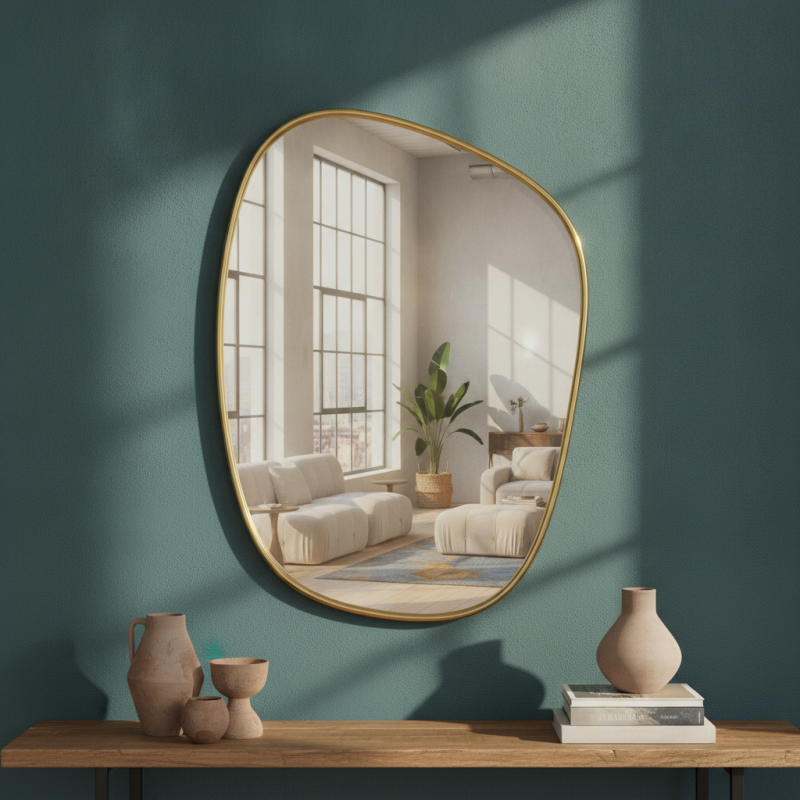
Brass mirrors are set to dominate the interior design scene in 2026. Their warm tones and reflective qualities add depth to any space. Expect to see unique shapes, from geometric outlines to fluid, organic forms. This variety allows designers to cater to different aesthetics. Customers are increasingly drawn to pieces that marry function with artistic expression.
Another trend involves eco-friendly production methods. Artisans are focusing on sustainable practices, considering the environmental impact. This shift reflects a growing awareness among buyers about responsible sourcing. Additionally, mixed materials are gaining popularity. Brass frames combined with glass or wood create captivating contrasts. They not only serve as mirrors but also as focal points in décor.
As trends evolve, expectations around quality will inevitably rise. Buyers will demand not just stylish designs, but durability and craftsmanship too. This creates a challenge for manufacturers to balance artistic flair with practical concerns. Thoughtful design may lead to innovative solutions. Such complexities will push the industry toward new horizons in brass mirror design.
Brass mirrors are more than just reflective surfaces; they serve as decorative statements. In 2026, contemporary brass mirror designs will focus on practicality and aesthetics. The color and texture of brass is versatile. It complements both modern and traditional interiors. Many buyers appreciate the warmth that brass offers. The patina that develops over time adds character and uniqueness.
One key feature in contemporary designs is geometric shapes. These shapes create visual interest in any room. Additionally, frameless designs are on the rise. They bring a sleek look to spaces while maintaining functionality. Textured finishes enhance depth, making mirrors feel more substantial.
Buyers are also looking for sustainability. High-quality materials ensure longevity. However, finding true craftsmanship can be challenging. Some may sacrifice quality for affordability. This decision often leads to disappointment. Reflecting on these choices is essential for a satisfying purchase. Prioritizing authenticity can lead to a more rewarding experience.
In 2026, the demand for mirror designs is evolving. Buyers increasingly seek styles that embody sustainability and eco-friendly practices. Using sustainable materials is crucial. This shift challenges designers to innovate while being responsible. It's essential to rethink traditional materials.
Recycled glass and eco-conscious metals are gaining popularity. These options reduce environmental footprints. However, sourcing sustainable materials can be complex. Sometimes, available options do not meet aesthetic standards. Designers face pressure to balance beauty and sustainability.
Creating mirrors with reclaimed wood presents unique challenges too. Each piece tells a story, yet imperfections might arise. Buyers might question durability. Prototypes often reveal unexpected flaws. Embracing these imperfections leads to creative solutions. Designers must remain flexible and adaptive, ensuring products align with eco-friendly goals.
The aesthetics of brass mirrors reflect rich cultural influences from various regions. In 2026, global buyers are favoring designs that showcase traditional craftsmanship. A report from the International Furniture and Home Décor Association notes a 30% increase in demand for artisan-made products, including brass mirrors.
Cultural motifs significantly shape these designs. For instance, Asian styles often incorporate intricate patterns and symbolic elements. Meanwhile, European designs may focus on baroque or minimalist approaches. A survey conducted by the Global Home Decor Council indicates that over 60% of respondents prefer mirrors that tell a story. This trend highlights a desire for products that resonate culturally.
It's important to consider that not all styles resonate universally. Some designs may lack appeal in specific markets. Misunderstandings in cultural symbolism could lead to misaligned consumer expectations. Moreover, the rise of global sourcing presents challenges in maintaining quality. Selecting pieces that align with one's market is essential, but it isn't an easy task.
| Design Style | Cultural Influence | Popular Colors | Materials Used | Target Markets |
|---|---|---|---|---|
| Minimalist | Scandinavian | White, Grey | Brass, Glass | Europe, North America |
| Vintage | Victorian | Gold, Antique Bronze | Brass, Wood | Asia, Americas |
| Art Deco | 20th Century Europe | Royal Blue, Black | Brass, Mirrors | Middle East, North America |
| Bohemian | Global Eclectic | Turquoise, Earth Tones | Brass, Textile | Worldwide |
| Industrial | Modern Urban | Charcoal, Copper | Brass, Steel | North America, Europe |
The global demand for brass mirrors is on the rise. Market analysts project a compound annual growth rate (CAGR) of around 5% through 2026. This growth is driven by increasing consumer interest in interior design. Brass mirrors are favored for their aesthetic appeal and durability.
Supply chains face challenges. Raw material costs fluctuate, impacting production. In 2023, brass prices surged by 12%, affecting manufacturers. Buyers should be aware of these trends. Local sourcing can mitigate supply chain disruptions. Finding reliable suppliers is key.
Sustainability is a growing concern. Many buyers seek eco-friendly options. The trend toward recycling metals is gaining traction. Innovative designs that incorporate recycled brass will attract eco-conscious consumers. However, the reliance on recycled materials may raise production costs. Balancing sustainability and affordability requires careful consideration.
: Brass mirrors will feature unique shapes, warm tones, and reflective qualities. They will enhance any space.
Artisans are adopting sustainable methods. This reflects increased consumer awareness about responsible sourcing.
Combining brass with glass or wood creates stunning contrasts. These designs also serve as decor focal points.
They must balance artistic design with durability. Rising quality expectations complicate production processes.
Demand is increasing, with a projected 5% growth rate until 2026. Consumers are more interested in interior design.
Fluctuating brass prices pose challenges. A recent surge of 12% affects production costs for manufacturers.
Local sourcing reduces disruptions. Finding reliable suppliers is important for keeping costs manageable.
Eco-conscious consumers prefer recycled materials. However, this may raise production costs for manufacturers.
Some designs may lack durability despite their beauty. It's essential to prioritize both aesthetics and functionality.
The article "Top Brass Mirror Designs for Global Buyers in 2026" explores the anticipated trends in brass mirror designs that are set to redefine aesthetics in the coming year. Key trends highlight a blend of contemporary styles with traditional craftsmanship, emphasizing innovative features such as intricate engravings and unique shapes. Additionally, the article discusses the importance of sustainable materials and eco-friendly practices, which are becoming essential in the design process, catering to environmentally conscious consumers.
Cultural influences play a significant role in shaping the aesthetics of brass mirrors globally, reflecting a diverse range of design inspirations. The market analysis section provides insights into the demand and supply dynamics of brass mirrors, indicating a growing interest among global buyers. This summary encapsulates the article's exploration of how the brass mirror continues to evolve, highlighting its significance in interior design and consumer trends for 2026.

Buterfleoge