An in-depth analysis of metallurgical standards, production processes, global logistics compliance, and design frameworks for architectural developers, hotel designers, and commercial buyers.
In the landscape of high-end interior architecture and hospitality design, the bathroom vanity has transitioned from a purely functional zone into a core aesthetic focus. Within this evolution, the brass pill mirror (often referred to in design schematics as the capsule or stadium-shaped mirror) has emerged as a crucial structural design element. By combining the linear rigor of rectangular profiles with the organic softness of round frames, the pill shape provides optical balance, height, and elegance.
However, specify-to-build projects demand more than just visual appeal. Procurement managers, real estate developers, and hospitality conglomerates face strict hurdles regarding durability, moisture protection, installation speed, and safety standards. Selecting a certified manufacturer from China who understands metallurgy, structural integrity, and global shipping compliance is crucial to preventing expensive replacement cycles, mirror oxidation (black spots), and mechanical failure in wet bathroom environments.
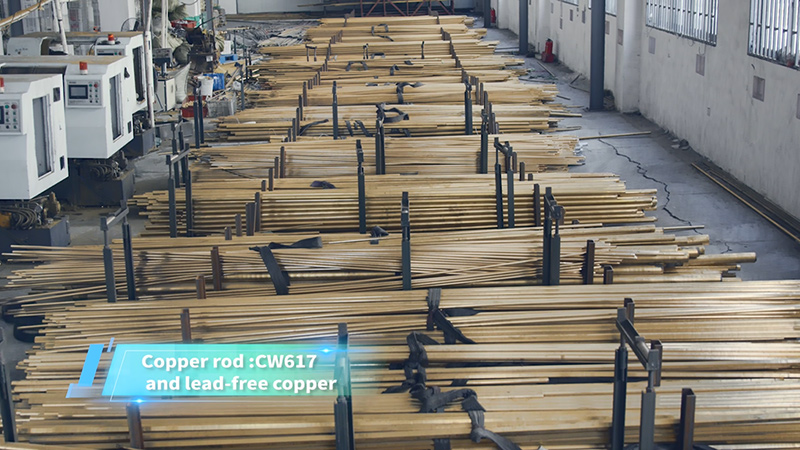
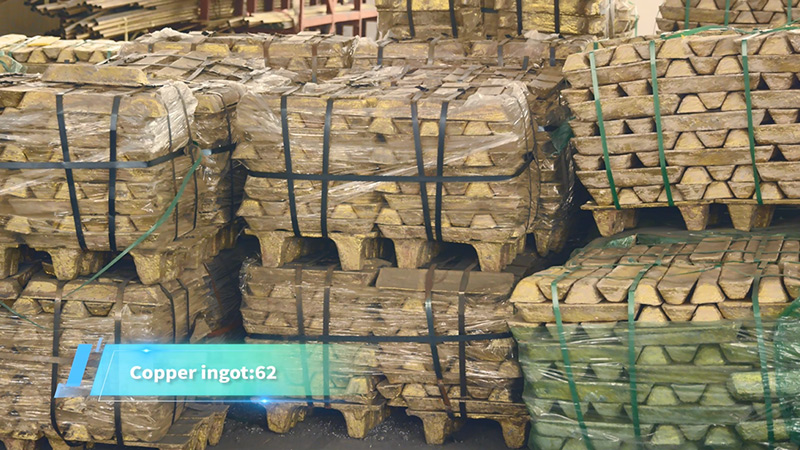
Modern architectural developments demand functional materials that perform reliably over time. Brass, an alloy of copper and zinc, is highly favored for high-moisture zones due to its natural anti-corrosive characteristics and antimicrobial properties. Yet, not all brass mirrors are manufactured to the same standards. Modern processing developments have introduced several advancements:
Transitioning from leaded brass to ultra-low lead (HPb59-1 or H62 brass) alloys. This ensures compliance with regional environmental standards, including California's Proposition 65 and European RoHS guidelines.
Physical Vapor Deposition (PVD) creates molecular-level finishes that are highly resistant to scratches, moisture, and chemical cleaning agents, performing much better than traditional lacquer sprays.
Integrating defogging heat pads, touchless sensor controls, and tuneable LED backlighting. The modern brass pill mirror functions as an active IoT smart device in upscale residential designs.
In addition, advanced glass manufacturing now focuses heavily on copper-free silver glass. Standard mirrors use lead-sensitized backings that break down and oxidize when exposed to bathroom humidity. By utilizing a multi-layered, copper-free paint protection system, contemporary factories can guarantee mirrors that will not degrade at the edges for over ten years, even in high-humidity luxury hotel suites.
Hotel operators and commercial developers look for products that balance aesthetics with longevity and easy installation. An unbacked, fragile mirror sheet glued to drywall does not meet the standards for a 5-star hotel room. The industry relies on highly structured specifications:
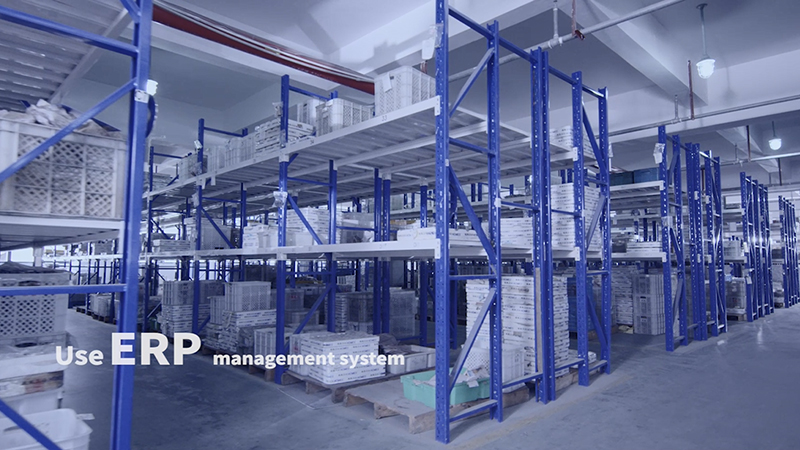
Managing supply chains for international construction sites requires precise logistical coordination. An experienced supplier in China must be integrated into the developer's scheduling. From BIM modeling to packaging engineering, every stage must be planned:
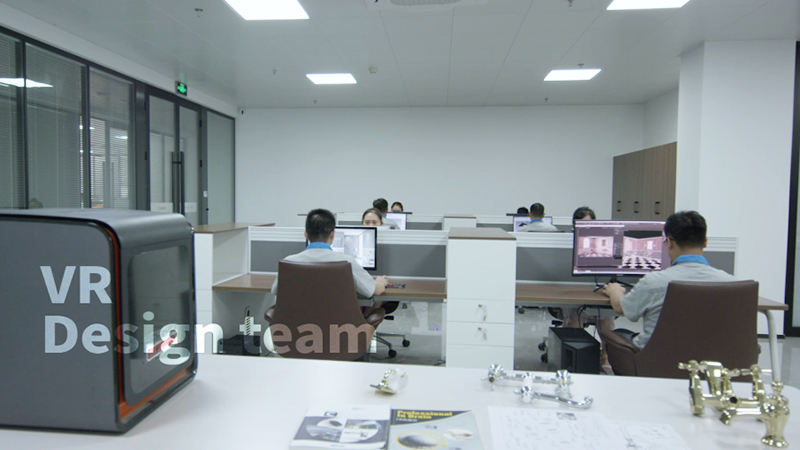
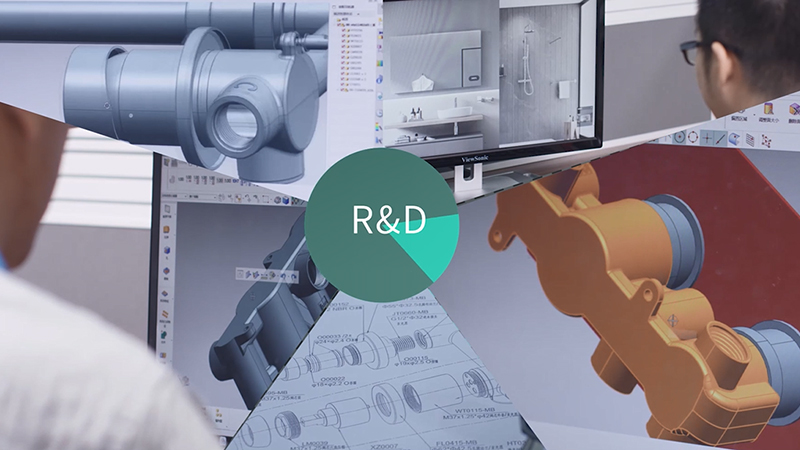
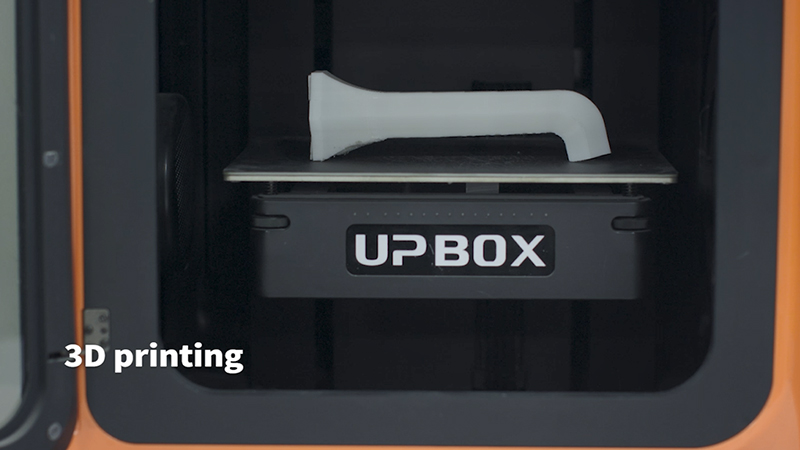
1. Architectural BIM and CAD Collaboration: Custom-made pill mirrors must match the architectural millwork on-site. Suppliers must be able to export 3D AutoCAD, Revit, and SolidWorks models directly to designers to resolve clearances, electrical wiring locations, and backing supports before manufacturing begins.
2. High-Durability Packaging Design: Glass breakage is a major cause of project delays. Qualified manufacturers subject their packaging to strict ISTA-3A or ISTA-6A drop testing protocols. Pill mirrors are packed in custom-molded high-density polyethylene (HDPE) foam, enclosed in double-walled corrugated cartons, and shipped on reinforced wooden crates with tilt indicators.

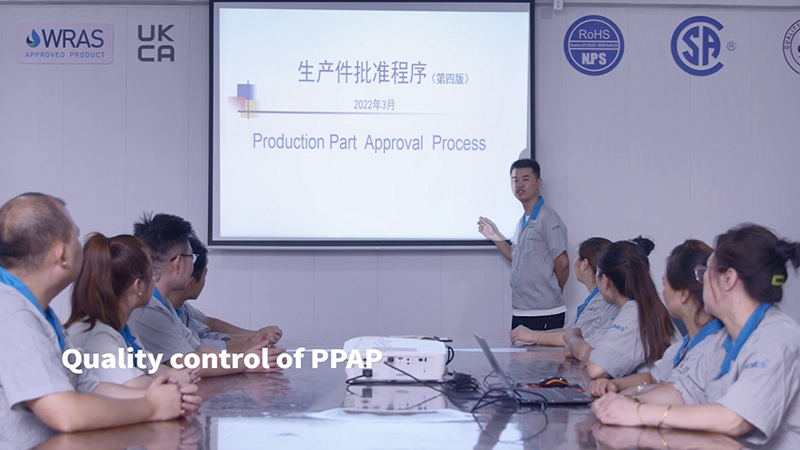
Doing business globally requires meeting regional compliance requirements. Different target markets enforce distinct regulatory and building code standards that suppliers must meet:
A reliable supplier also handles customs issues by providing accurate Harmonized System (HS) classifications, country-of-origin documentation, and structural weight testing reports to prevent logistics delays at ports.
Established in 2015 in Guangdong, China, Buterfloge (often stylized as Buterfleoge) operates as an integrated brand and creative platform. Specializing in neoclassical, refined, and vintage-inspired bathroom systems, the company blends modern manufacturing technology with classical design traditions.
Founder Rona Chu began Buterfloge out of a love for antique bathware and nostalgic design. Inspired by the grace of mid-century aesthetics, Rona envisioned a collection that captures that classic elegance while meeting modern requirements. From this vision, Buterfloge has grown to serve high-end residential projects, hotels, and design offices around the world.
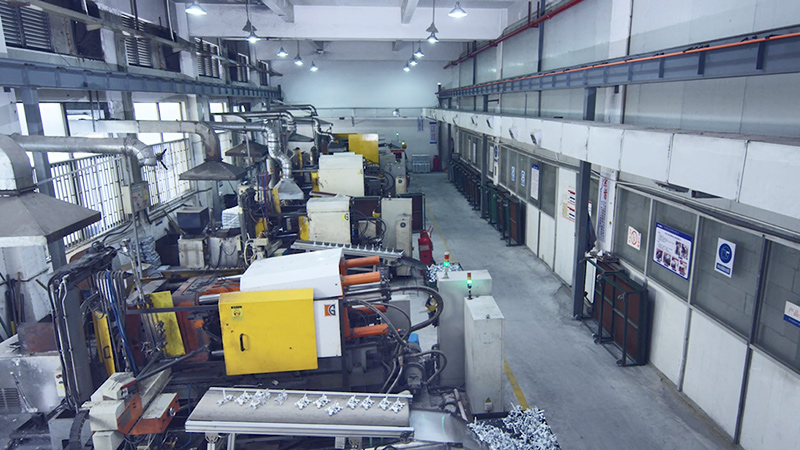
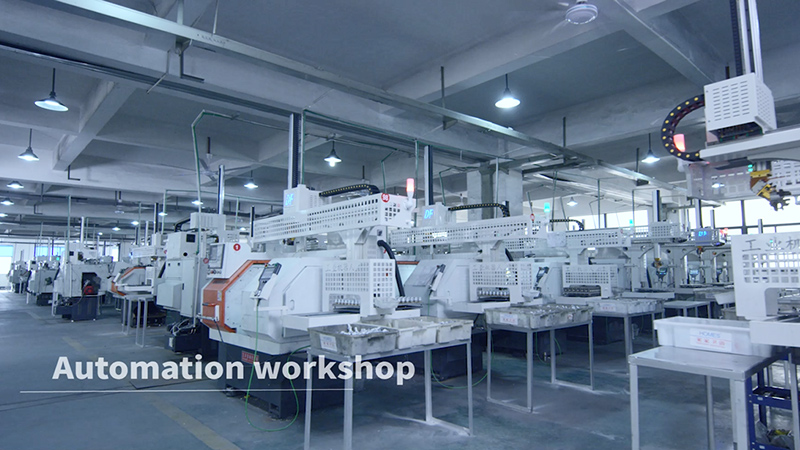
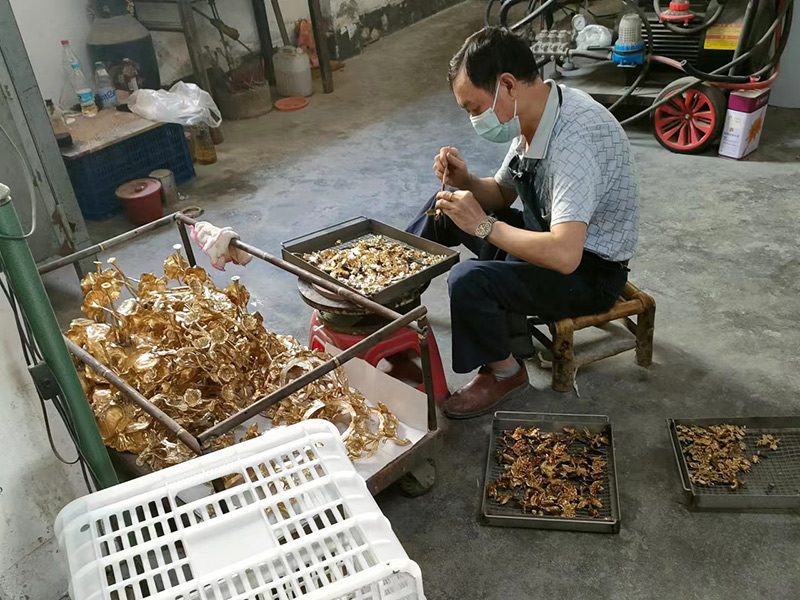
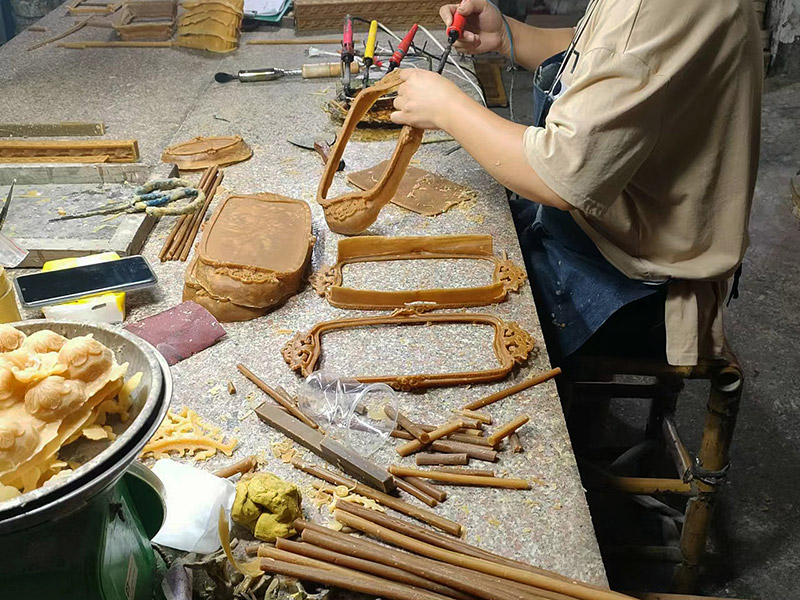
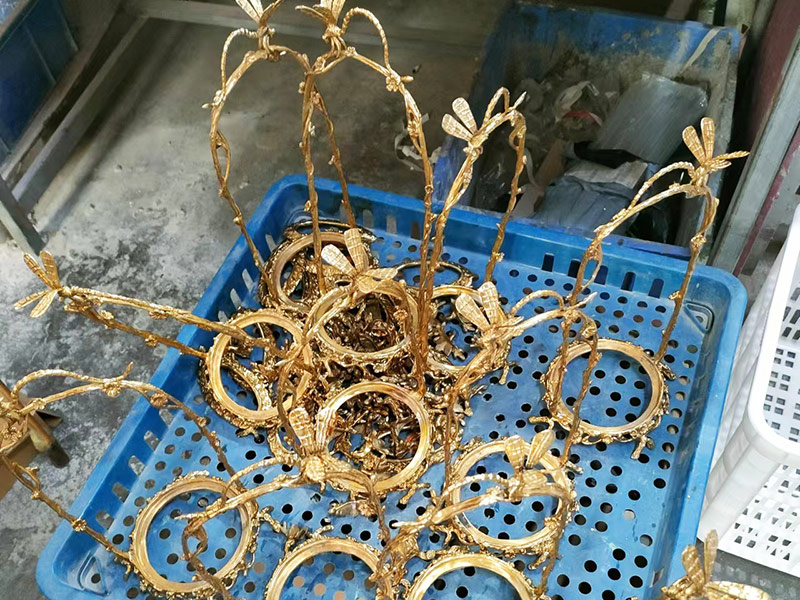
Utilizing high-end CNC equipment, modern sand-casting units, and skilled hand-finishing, Buterfloge delivers premium decorative hardware, copper crafts, ceramic ornaments, and complete bathroom systems. Our production facility provides reliable OEM and ODM support for demanding project timelines.
Looking ahead, the development of premium bathroom mirrors is moving toward smart features and environmental responsibility:
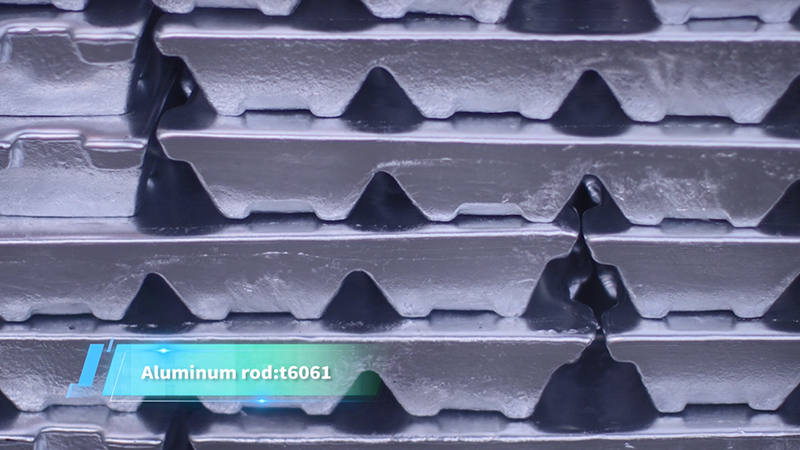
We primarily use H62 and HPb59-1 solid brass for our frames and cast hardware. These alloys provide excellent structural stability and corrosion resistance, and they comply with major international standards for lead content.
We use 5mm copper-free silver glass, backed by multiple protective coatings. This design seals the reflective layer against humidity and prevents the dark edge oxidation common in standard mirrors.
Yes. Through our ODM and OEM services, we customize dimensions, frame widths, and finishes (such as Brushed Brass, Polished Brass, Matte Black, and Antique Bronze) to match your project's design specifications.
All electronic components—including LED ribbons, power supplies, defoggers, and touch sensors—can be configured with UL, ETL, CE, or RoHS certifications to meet the standards of your target market.
We pack our products in custom-fitted, high-density foam inserts within heavy-duty boxes, shipped on reinforced wooden crates. This packaging is designed to pass ISTA-3A/6A standards to minimize transit damage.
Standard lead times for large hospitality orders are generally 35 to 45 days. This allows for engineering approvals, material sourcing, extrusion, hand-finishing, and quality control testing.
 Buterfleoge