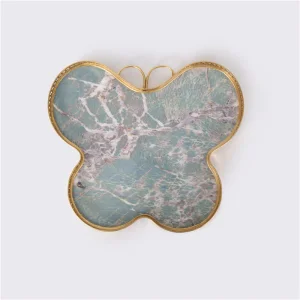
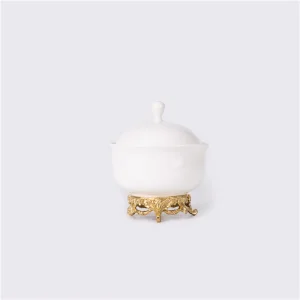
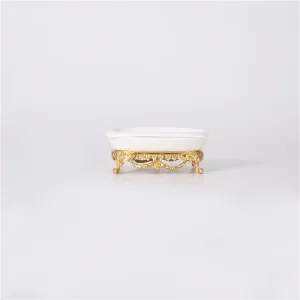
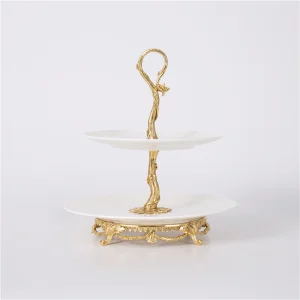
Select B2B catalog items engineered for high-end hospitality, retail spaces, and premium residential designs.
Over the past decade, interior design paradigms have steadily shifted from cold, hyper-minimalist chrome layouts to warm, natural, and texture-driven environments. The brass rounded rectangle mirror has emerged as a cornerstone of this aesthetic movement. By blending the structured geometry of rectangular framing with the softening effect of radiused corners, this design profile achieves an ergonomic and visual harmony that complements contemporary residential, hospitality, and commercial spaces.
From a structural design perspective, the rounded corners break the visual monotony of harsh perpendicular lines commonly found in tile patterns, vanity units, and plumbing fixtures. This subtle organic curve makes spaces appear larger and more welcoming. Simultaneously, solid brass remains the material of choice for developers seeking premium aesthetics and longevity. Unlike base metals or synthetic alternatives, brass develops a distinct patina over time or can be sealed to maintain a brilliant, reflective gold finish that naturally resists corrosion in humid environments.
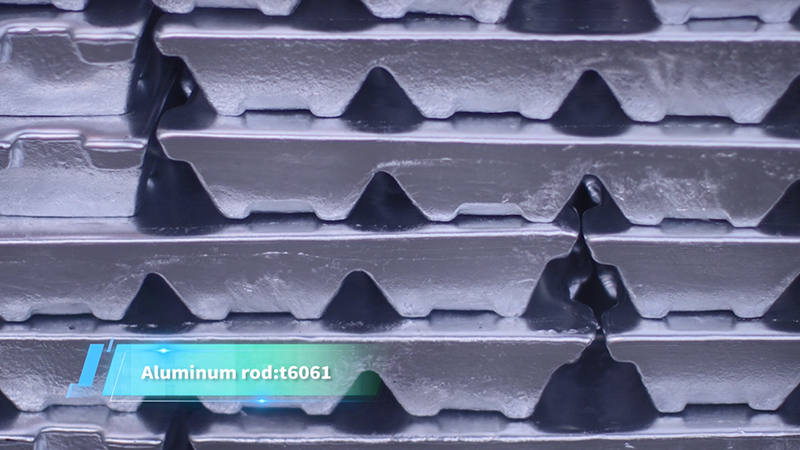
Understanding the chemical composition and mechanical properties of brass frames is vital for procurement officers making long-term investments. Premium mirror frames are constructed from high-grade alloy brass, primarily copper-zinc formulations. These alloys are specifically designated for their tensile strength, ductility, and resistance to environmental stressors such as moisture, chlorine, and mild cleaning agents.
A critical factor that separates cheap commercial plating from professional-grade architectural brass mirrors is the protective treatment. High-end manufacturers implement one of three finishing processes:
A state-of-the-art technique where brass molecules are vaporized in a high-vacuum chamber and deposited onto the frame substrate. PVD coatings offer extreme surface hardness, making the frame highly resistant to scratches and discoloration.
An electrical current deposits a uniform, transparent polymer layer across the frame's complex curves. This layer isolates the brass alloy from oxygen and water vapor, completely preventing natural oxidation.
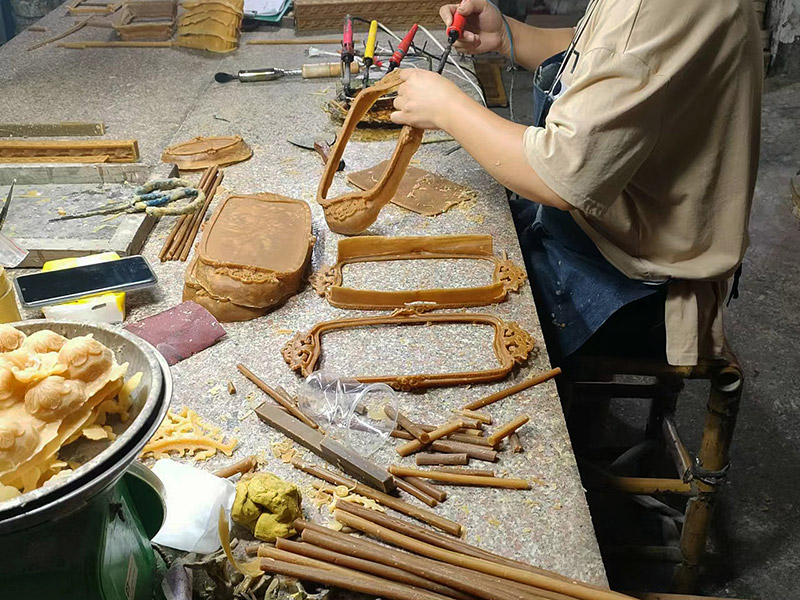
For traditional and neoclassical projects, artisans use physical brushing and high-temperature wax sealants. This allows a slow, controlled maturation of the brass, producing a deep color profile coveted in luxury hotels.
Beyond the metal frame, the reflective core must meet international optical standards. Industrial-grade brass rounded rectangle mirrors utilize lead-free and copper-free float glass (typically 4mm to 6mm in thickness). These mirrors are backed by multilayered protective coatings, including a protective silver layer, a passivation film, and double coats of waterproof protective backing paint. This prevents "black edge corrosion," a common defect in high-humidity areas caused by chemical decay of the reflective silver layer.
| Technical Parameter | Standard Specification | Premium Architectural Specification | Testing Method / Compliance |
|---|---|---|---|
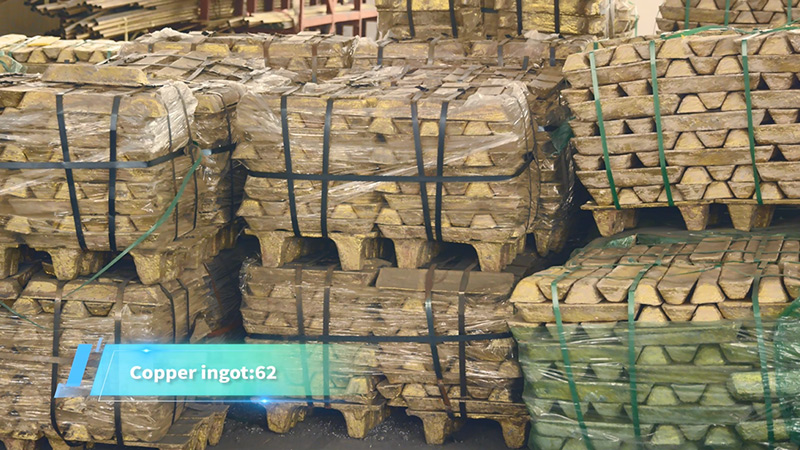
| Frame Alloy Composition | H59 Brass (approx. 59% Copper) | H62 / C27200 Lead-Free Brass (62% Copper) | ASTM B36 / EN 12163 |
| Glass Substrate Type | Standard Clear Float Glass | Ultra-Clear Low-Iron Float Glass (6mm) | EN 572-2 / ASTM C1036 |
| Reflective Layer backing | Copper-backed Silver Film | Copper-free, Lead-free Silver Coating | ISO 9227 (Salt Spray Approved) |
| Corrosion Resistance Rate | 120 Hours Salt Spray Test | >300 Hours Salt Spray Test | ASTM B117 Compliance |
| Reflectivity Level | >85% Standard Light Reflectance | >92% (High-Definition distortion-free) | ISO 3897 Compliance |
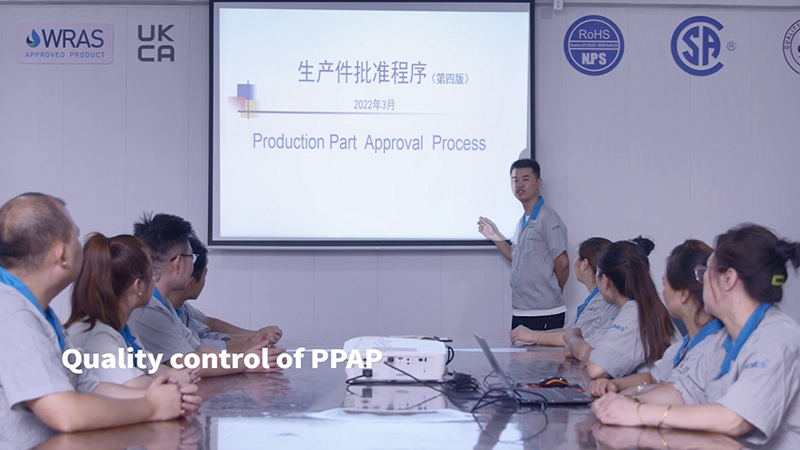
Procurement processes in major real estate firms, hospitality conglomerates, and luxury retail brands require strict adherence to regulatory standards, structural safety, and supply chain predictability. The specification of a brass rounded rectangle mirror involves evaluating multiple parameters, including building code compliance (such as anti-shatter film backing for public commercial environments) and easy-installation mounting systems (like French cleat or secure Z-bar configurations).
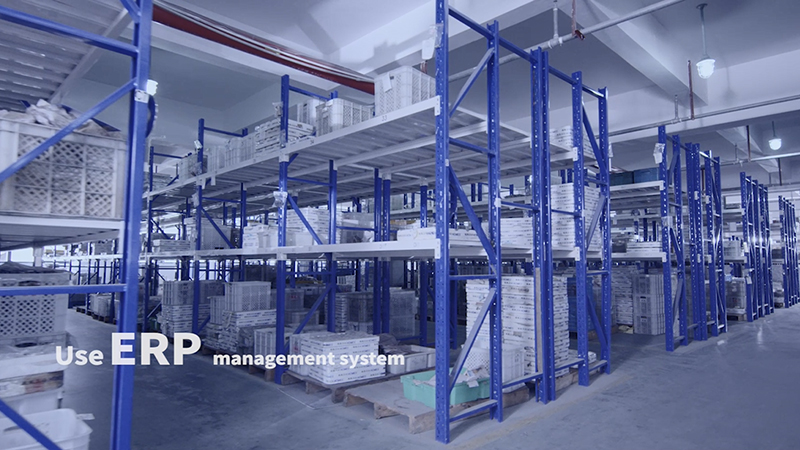
Today's global supply chain landscape demands a partner that can mitigate geopolitical tariffs, shipping volatility, and raw material cost spikes. To satisfy this need, tier-1 suppliers must maintain robust supply lines and flexible production capabilities. This is particularly relevant in heavy commercial developments like hotels and office towers, where a single delay in the bathroom vanity mirror delivery can stall the completion of an entire building phase.
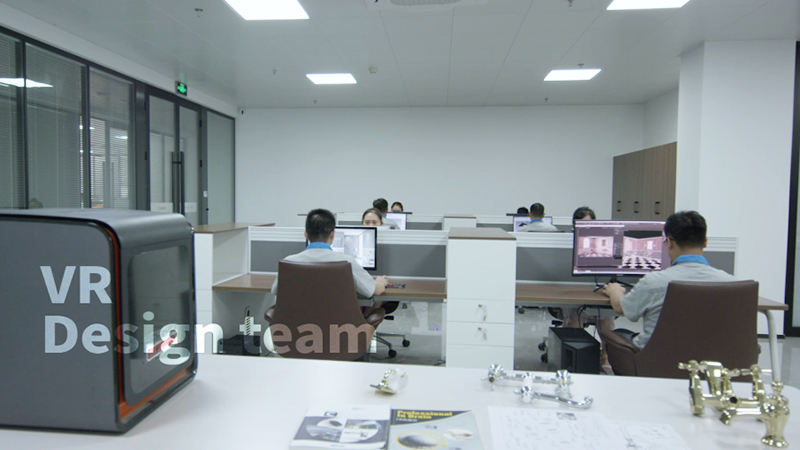
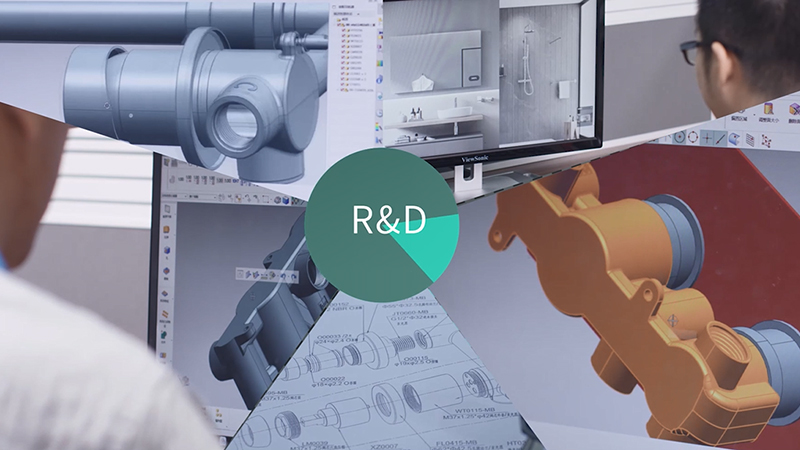
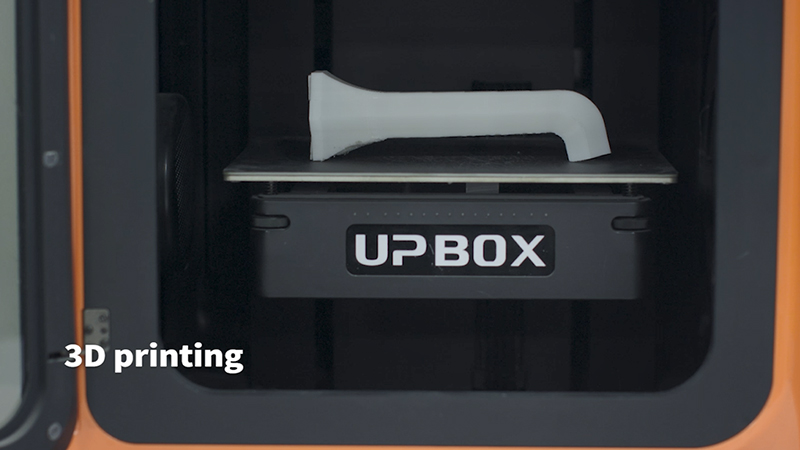
Interior designers often require tailored dimensions, specific corner radii, and integrated anti-fog heating elements or dimmable LED backlighting. A factory must possess advanced engineering departments capable of rendering precise CAD drawings and rapidly prototyping custom designs before committing to mass production.
Commercial installations require CAT II shatter-resistant films backing on all glass elements to prevent accidents. In public and hospitality sectors, moisture-resistant sealing (IP44 for wet zones) and UL/CE certifications for any electrified components are mandatory criteria for building inspectors.
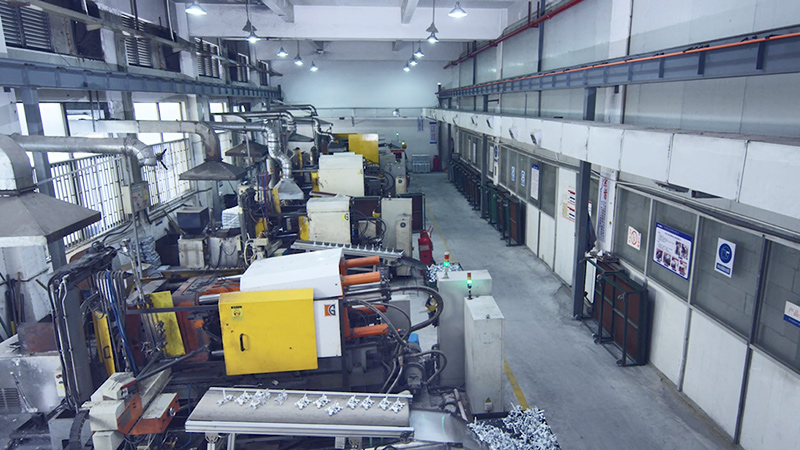
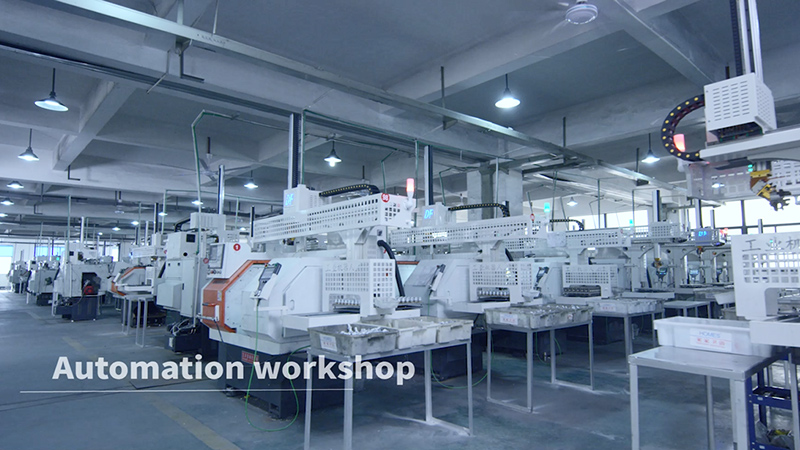
China's advanced manufacturing hubs, particularly in regions like Guangdong, have transformed from traditional fabrication workshops into modern, highly automated "Factory 4.0" ecosystems. This technological evolution blends traditional artisanal skill with robotic precision, ensuring that large-volume B2B orders are fulfilled with minimal defects, competitive pricing, and rapid lead times.
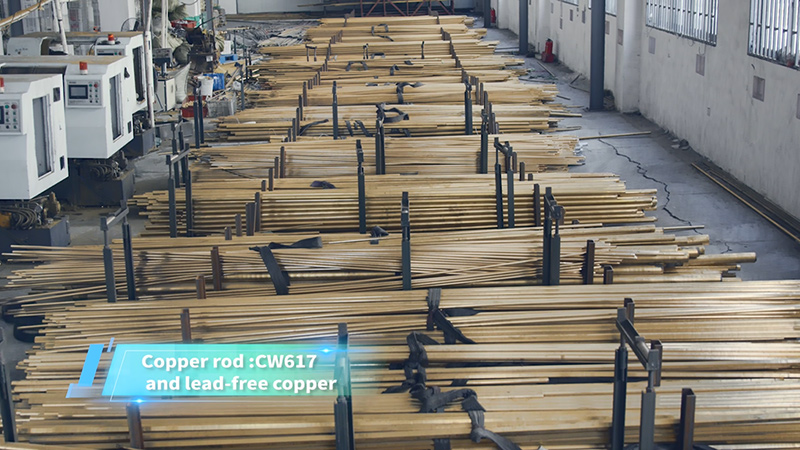
The manufacturing of a high-quality brass rounded rectangle mirror in a Factory 4.0 environment involves automated CNC milling and robotic bending machinery. Standard methods of hand-bending brass profiles often result in microscopic stress fractures and uneven radius curvatures. In contrast, automated CNC bending rigs manipulate the brass extrusion at precise temperatures, ensuring consistent structural integrity and wall thickness around all four corners of the mirror frame.
Furthermore, robotic polishing stations use multi-axis arms to buff the brass surfaces to a mirror-like finish (or a perfectly uniform brushed aesthetic). This consistency cannot be matched by manual polishing, which tends to leave minute discrepancies in grain pattern and texture. These automated systems significantly reduce labor costs and cycle times, and minimize human error, allowing Chinese factories to maintain exceptional production volumes while adhering to strict Western quality control protocols.
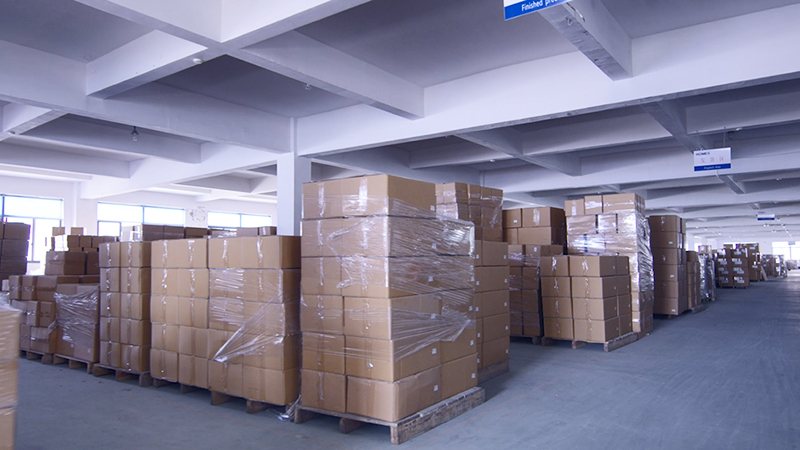
By grouping metal foundries, glass extrusion plants, surface treatment specialists, and packaging designers within close geographic networks, Chinese manufacturing clusters eliminate inter-provincial delays. Raw copper is melted, extruded into alloy frames, polished, glazed with copper-free glass, packed, and loaded into shipping containers in one seamless, highly optimized workflow.
The adaptability of the brass rounded rectangle mirror makes it a versatile tool for various interior environments. Designers optimize its proportions, orientation, and frame thickness depending on the specific demands of the space:
In wet environments like spa suites and guest bathrooms, mirrors must resist humidity and cleaning chemicals. A thick solid brass frame, sealed with electrophoretic lacquer, paired with copper-free silver glass, ensures the mirror remains free from oxidation and fog spots, delivering a premium guest experience over years of continuous use.
Luxury fashion retailers rely on accurate lighting and reflection to drive sales. Incorporating large, floor-to-ceiling or wall-mounted brass rounded rectangle mirrors with integrated low-iron glass guarantees highly realistic color rendition and zero distortion, which enhances the upscale ambiance of the showroom.
Modern office designs blend comfort and corporate prestige. Installing satin or antique brass rounded rectangle mirrors in lounges, boardrooms, and executive washrooms introduces a touch of warmth that contrasts clean aluminum structures and structural concrete, fostering a professional yet inviting atmosphere.
Established in 2015 and based in Guangdong, China, Buterfloge is an integrated creative platform and brand that combines research and development, design innovation, and bespoke customization. Specializing in refined, classic, retro, and elegant furniture aesthetics, Buterfloge integrates contemporary ergonomic comfort with natural elements to create a unique neoclassical style. Over the years, the company has become a preferred partner for global developers, hospitality brands, and residential project specifiers.
With independent design teams and a standard manufacturing facility equipped with advanced, high-precision CNC machinery, Buterfloge can rapidly conceptualize, prototype, and manufacture new products. Their agile supply chain enables them to provide comprehensive distribution, agency, and retail services with minimal lead times. Beyond mirrors, their product lines span integrated bathroom solutions, hand-finished copper craft items, artistic ceramic pieces, high-end home textiles, and select home fragrances.
The creative direction of Buterfloge is rooted in the personal memories and aesthetic vision of its founder, Rona Chu. Drawn to classic antique bathroom designs and traditional, lived-in home styles, Chu's work is informed by tactile nostalgia: "A retro bathroom product and fragrance can bring me back to good memories. I remember my grandmother who always spent hours in the bathroom every day, and the impression she brought me is also the inspiration for my brand."
This core philosophy translates into products that feel elegant and timeless. Reflecting the classic shapes of 1980s slip dresses, natural contours, and classical floral details, the brand designs items for confident, discerning customers who value fine craftsmanship and heritage-inspired home accents.

Review essential technical answers regarding quality standards, customization, testing, and shipping configurations for industrial brass mirrors.
Explore the full range of creative lifestyle pieces, designer ceramics, and custom accessories manufactured by Buterfloge.
 Buterfleoge