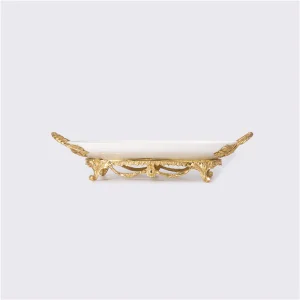
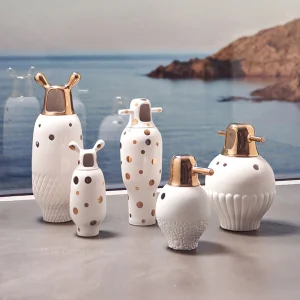
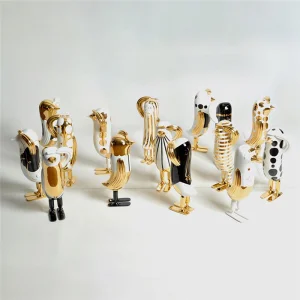
Explore our flagship selection of handcrafted ceramic, brass, and custom resin solutions
A fusion of ergonomic structural physics, classical balance, and advanced metallurgy.
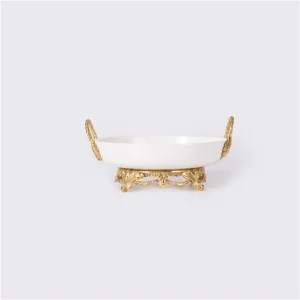
In the luxury hospitality and high-end residential interior design sectors, tableware is no longer viewed as a passive utility. Instead, it serves as a central aesthetic anchor—a physical representation of a brand’s or host’s commitment to meticulous quality. The Two-Eared Round Fruit Bowl represents a pinnacle design in this paradigm. Architecturally, the "ears" (handles) do not simply provide lifting points; they establish horizontal symmetry, direct the eye to the vessel's contents, and anchor the bowl securely onto brass bases or stone countertops. By leveraging classical balance and state-of-the-art manufacturing processes, global exporters have transformed this functional object into an indispensable design statement.
This comprehensive whitepaper explores the global supply chain, technological processing, structural options, and procurement strategies for high-quality two-eared fruit bowls and associated premium ceramic and metal homewares. Designed for B2B purchasers, global sourcing agencies, architectural specifiers, and distributors, it outlines the key criteria for verifying manufacturer competence and quality assurances in competitive international markets.
Quantitative overview of the premium homeware and neoclassical hospitality market.
Analyzing key supply corridors, demand centers, and global import-export dynamics.
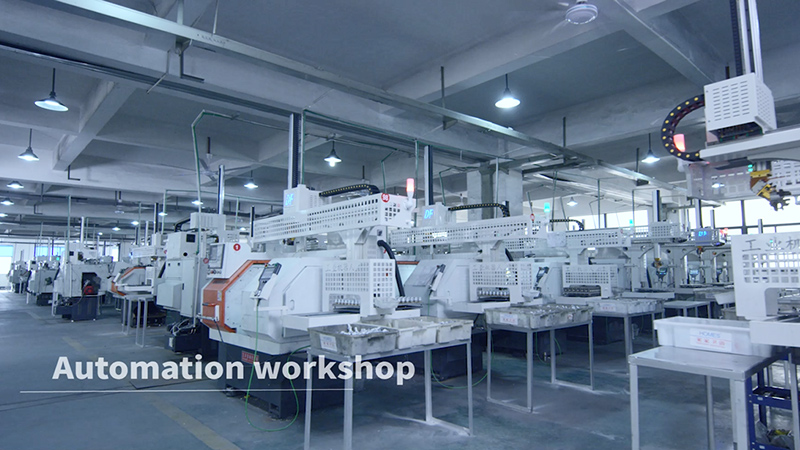
The global luxury tableware market is undergoing a geographical realignment. While historical production hubs in Western Europe (such as Spain and Italy) continue to influence elite aesthetic trends, advanced industrial clusters in Guangdong, China, have established dominance in executing high-precision, large-scale custom runs. Modern manufacturing facilities here leverage high-pressure casting systems, automated atmospheric kilns, and multi-axis CNC machines to achieve tolerances and finish consistencies that were once considered impossible outside of boutique artisanal workshops.
On the demand side, the resurgence of high-tier boutique hospitality and large-scale architectural projects in the Middle East (especially Riyadh, Dubai, and Doha) and North America has driven a sustained spike in bulk procurement. Commercial buyers demand products that can withstand high-frequency sanitization protocols while retaining their structural integrity and surface luster. The integration of high-grade copper casting with neoclassical glazed ceramics has emerged as the highest-performing material combination to satisfy these complex operational and visual expectations.
| Target Market Sector | Primary Material Requirement | Preferred Finishing Treatment | Core Functional Requirement |
|---|---|---|---|
| Luxury Hotels & Resorts | Porcelain with Brass-Alloy Accents | CASS Salt Spray Shield Coating | Extreme durability under high-temp washing |
| Private Clubhouses & Mansions | Neoclassical Glazed Ceramic | Hand-Painted Gold & Agate Patterns | Bespoke aesthetic integration, brand heritage |
| Commercial Event Catering | High-Durability Resin / Metal Alloys | Scratch-resistant electroplating | Light weight and low breakage margins |
| High-end Retail / Boutiques | Bone China, Precision Cast Copper | Polished Gold, Hand-Rubbed Bronze | Retail-ready packaging, compliance certifications |
How CAD modeling, 3D prototyping, and eco-friendly metallurgy are reshaping production.
Looking to the next decade, premium tableware manufacturing is moving toward digitized customization and environmental responsibility. Top-tier manufacturers are adopting the following technological milestones to streamline engineering cycles and improve product lifecycles:
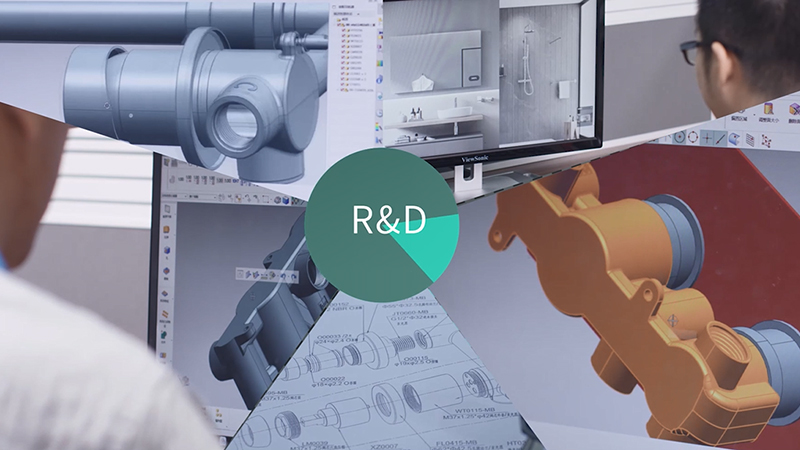
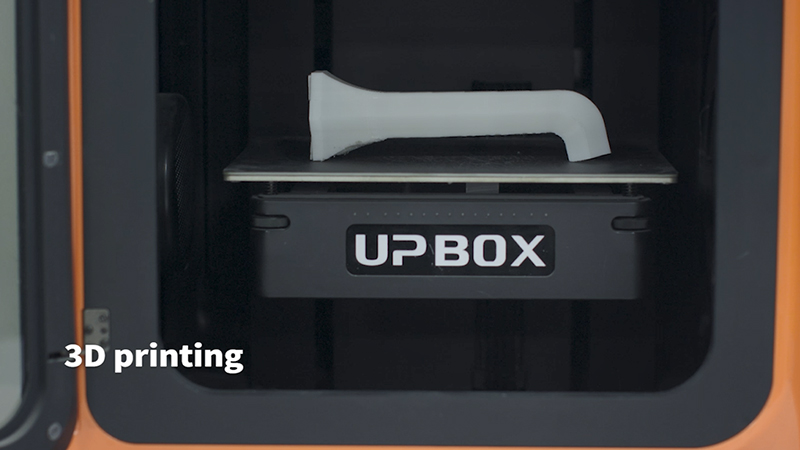
Utilizing high-resolution SLA/SLS 3D printers to produce physical scale models within 24 hours, allowing designers to verify hand-feel, "ear" proportions, and volumetric capacities before cutting steel tooling.
Phasing out leaded brass in favor of bismuth-bronze and other safe alloys that comply with strict global health regulations (FDA, LFGB, REACH) without sacrificing the fluid casting traits of classical metals.
Applying physical vapor deposition (PVD) to metal hardware for maximum hardness and introducing self-cleaning, anti-microbial nanotech coatings to the ceramic body, optimizing long-term commercial sanitation.
From neoclassical boardrooms to private luxury estates—how design intent matches environments.
An exceptional two-eared round fruit bowl is not a standalone object; it is an active participant in an interior design environment. Depending on the geographical target market and the architectural style of the client, manufacturers must adapt their styling, finish configurations, and base weights. Below are three common real-world installation scenarios:
Discover the engineering capability, creative platform, and brand legacy established in 2015.
Buterfloge is an integrated brand and creative platform established in 2015, integrating research & development (R&D), innovation, and customization. Based in the global manufacturing heartland of Guangdong, China, Buterfloge has developed a strong reputation in the field of classic, refined, retro, and elegant furniture and homeware styles. By combining modern, natural, and comfortable humanistic design concepts, we have forged a unique neoclassical aesthetic that serves as classic decoration inspiration for home improvement enthusiasts and commercial developers worldwide.
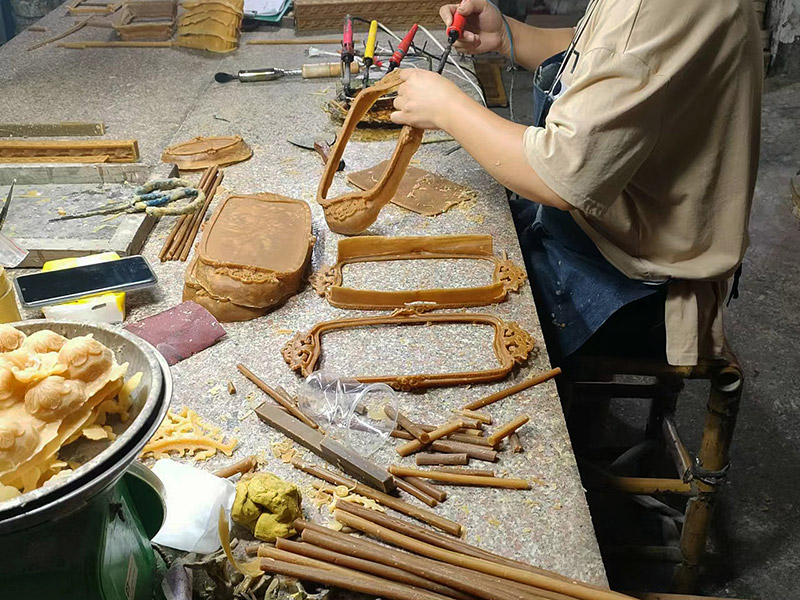
Every product is selected for its exquisite workmanship and cultural heritage. We collect high-quality, light-luxurious craft treasures that feature unique noble styling and sophisticated manufacturing techniques. Additionally, we provide comprehensive kitchen & bathroom solutions. Our high-standard plans are favored by successful individuals, royal families, and luxury hotels around the globe. Our product offerings include: overall bathrooms, copper handicrafts, ceramic ornaments, textile products, and daily chemical products.
The organic inspiration behind Buterfloge's unique design vocabulary.
Founder Rona Chu developed an early love for classic antique bathroom designs and shabby chic home styles. "A retro bathroom product and fragrance can bring me back to good memories," she shares. "I remember my grandmother who always spent hours in the bathroom every day, and the impression she brought me is also the inspiration for my brand." Like a woman in 1980s slip dresses enjoying nature, revealing grace and confidence, the noble lines of Buterfloge's tableware and bath collections capture curves and a toned song for the home. We encourage our clients to remain decent, confident, and charming, and to pursue what they think is truly worth it.
Optimizing lead times, transit safety, custom OEM molds, and container utilization.
B2B procurement of fragile, high-value ceramic and copper tableware poses substantial logistical challenges. To minimize cost-to-delivery metrics, Buterfloge provides integrated macro-industry solutions designed to insulate institutional buyers from quality and transit disruptions:
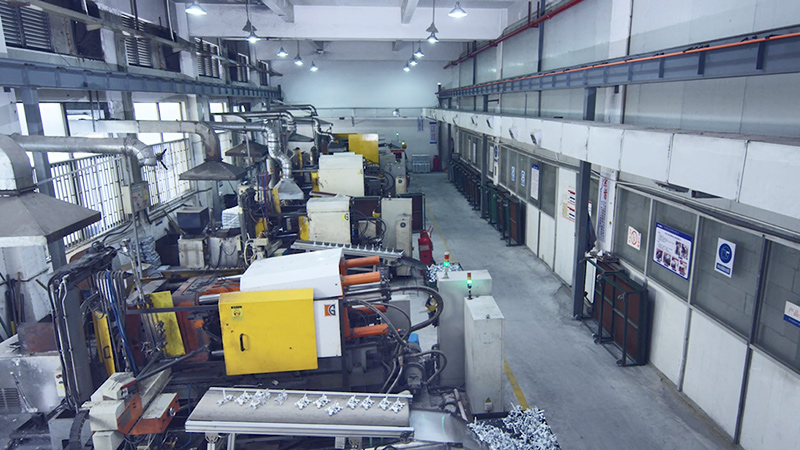
1. Structural Mold Stabilization (OEM/ODM): Utilizing standard workshop high-end CNC equipment, we rapidly carve custom steel molds for two-eared fruit bowls, reducing prototype-to-mass-production cycles from 45 days down to 15 days. This allows private label buyers to respond to dynamic design trends in real time.
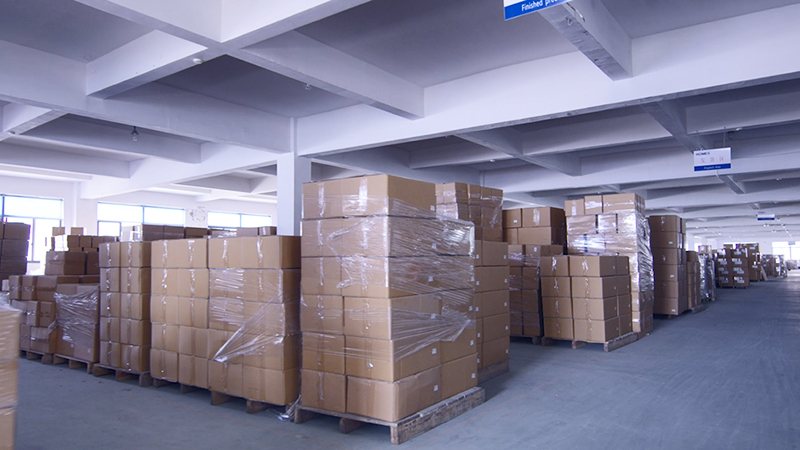
2. Advanced Shock-Resistant Packaging: Premium two-eared bowls are vulnerable at the handle-body joints during transit. Our engineering department designs customized high-density polyethylene (HDPE) foam inserts contoured exactly to the shape of the bowl. All packaged designs undergo rigorous 3-meter drop-testing before leaving our facility.
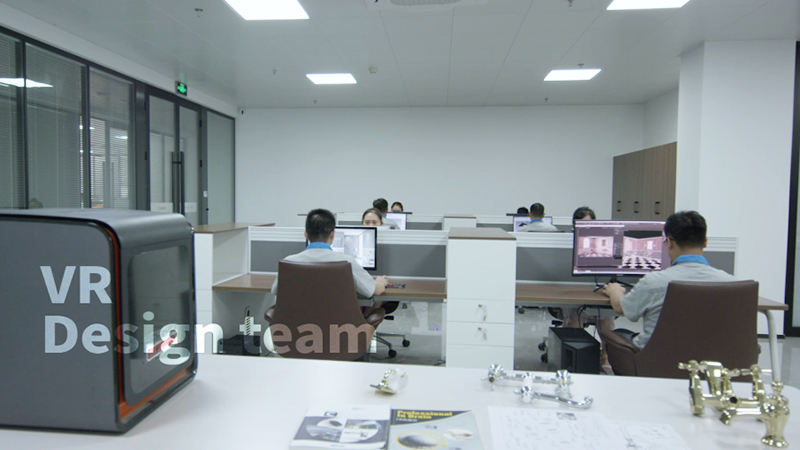
3. Comprehensive Lead-Time Coordination: By combining localized raw material sourcing with independent designer teams, we optimize logistics routes through major Guangdong shipping hubs, guaranteeing prompt container handovers and predictable schedules.
Answering critical technical questions to streamline B2B procurement decisions.
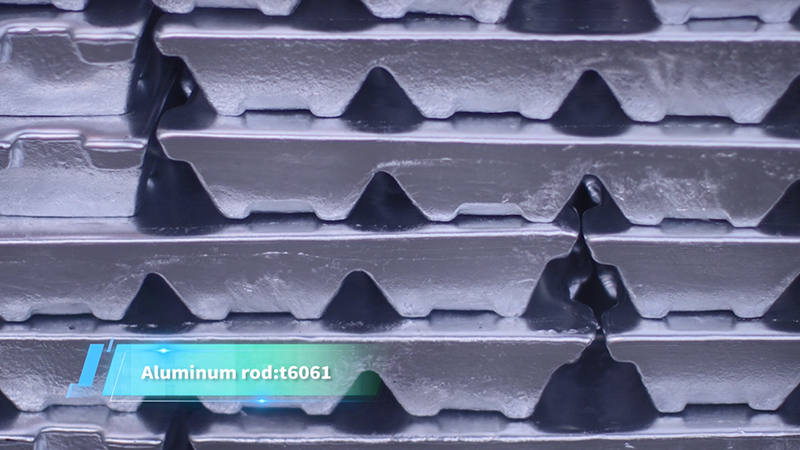
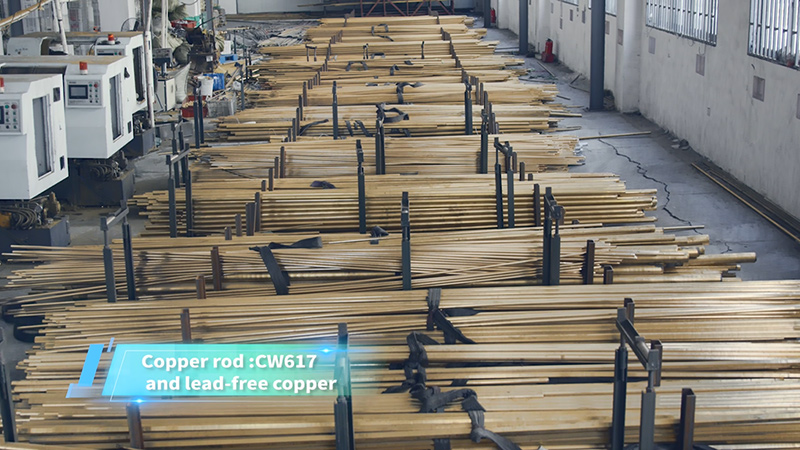
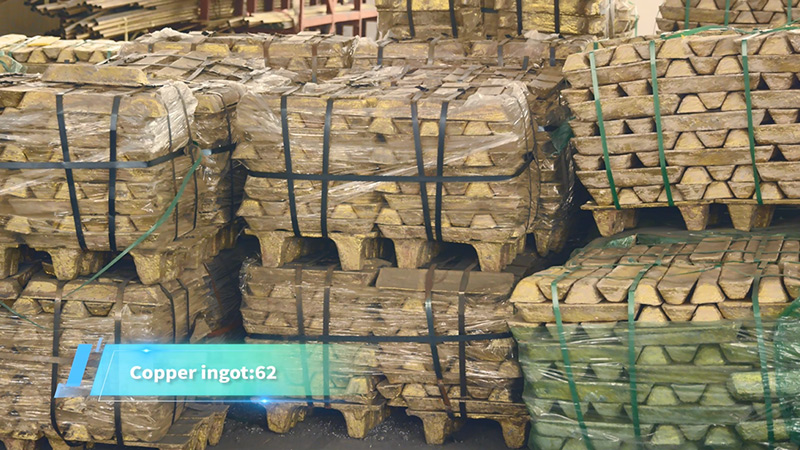
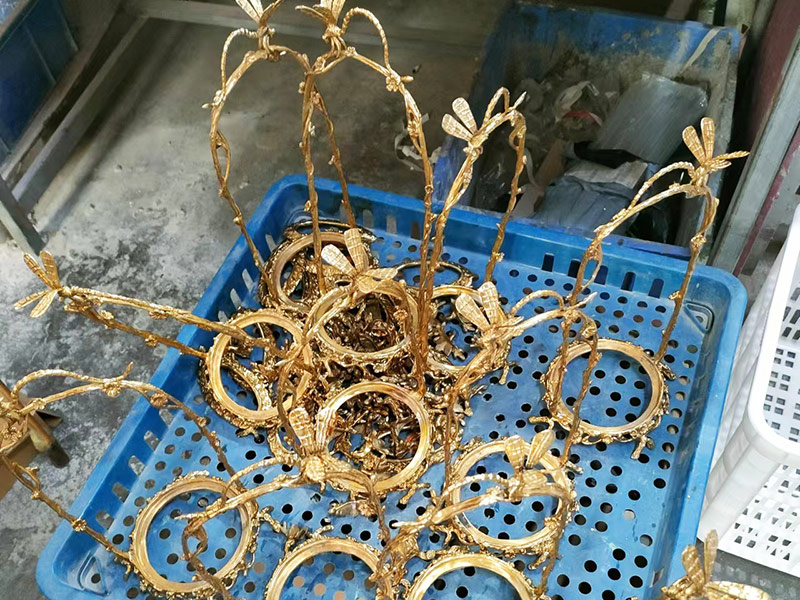
We primarily utilize architectural-grade brass and copper alloys, processed via precision lost-wax casting or high-precision CNC milling. All metallic bases are finished with protective electroplated sealers or PVD coatings to prevent tarnishing, oxidation, or peeling in humid coastal or kitchen environments.
Yes. All ceramic bowls undergo high-temperature firing exceeding 1280°C. This ensures full vitrification of the clay body and completely fuses the glaze matrix. Our glazes are lead-free and cadmium-free, complying fully with FDA (United States), LFGB (Germany), and European Union safety directives.
For standard models already in production, MOQ can be as low as 50 units. For completely custom shapes requiring dedicated CNC steel molds, our MOQ typically starts at 200 to 500 units, depending on the complexity of the design and the metal casting elements.
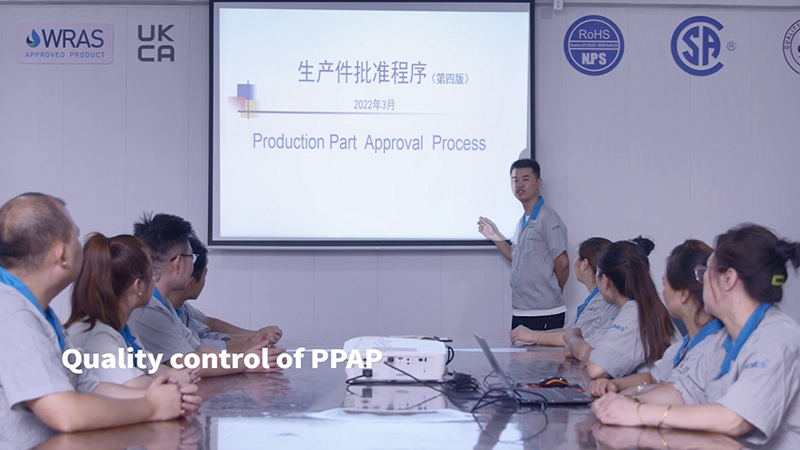
We implement a strict three-tier quality control protocol: initial post-cast inspection for visual defects, mid-stage stress testing of handle connections to ensure integrity under load, and final batch inspection using coordinate measuring machines (CMM) and spectrographic scanners to guarantee dimensional and color consistency.
Premium options for boutique buyers, architectural design firms, and global retailers
 Buterfleoge