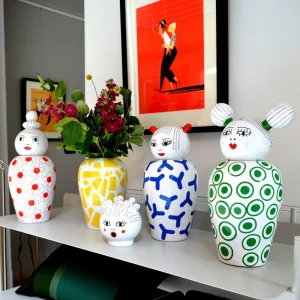
Explore our premium architectural and tabletop ceramic designs tailored for global markets, combining modern structural aesthetics with high-performance manufacturing standards.
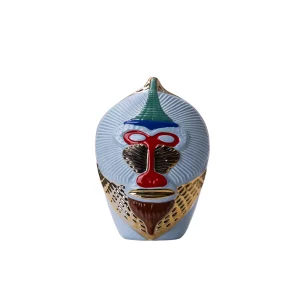
Analyzing the geological reserves, labor advantages, and structural transitions of the East African ceramic supply chain.
In the landscape of global B2B procurement, sourcing strategies are shifting towards resilient, cost-effective, and resource-rich regions. Ethiopia has emerged as a powerhouse for light manufacturing and artisanal exports in East Africa. The country's unique geological formation, located along the East African Rift System, yields vast, unexploited deposits of industrial minerals crucial for ceramic production, including high-purity kaolin, feldspar, quartz, and high-plasticity refractory clays. These natural resource reserves allow local and joint-venture manufacturing plants to source premium raw materials locally, minimizing dependency on imported mineral blends and establishing a robust pricing advantage for global exporters.
Historically, Ethiopia's handicraft sector was dominated by micro-enterprises and traditional pottery studios centered around the historical quarters of Addis Ababa and the Chencha region. Today, this rich heritage is undergoing a massive industrial transition. Facilitated by national developmental frameworks and dedicated industrial parks such as Bole Lemi, Hawassa, and Adama, the industry is bridging the gap between artistic expression and high-capacity industrial production. Leading manufacturers are investing in advanced kiln technologies, multi-axis CNC mold-making setups, and environmental mitigation systems to elevate production from simple terracotta to high-fired vitrified porcelain, stoneware, and fine bone china. This ensures that the products meet the rigorous ASTM and ISO quality standards demanded by commercial procurement agencies worldwide.
Vitrification Fire Temp
Water Absorption Rate
Lead & Cadmium Free
Global Export Hubs
Modern B2B buyers—ranging from high-end hospitality procurement managers to international home decor retail chains—face a complex set of sourcing challenges. Rising energy costs in traditional manufacturing zones, coupled with supply chain disruptions, have forced importers to diversify. However, entering new markets requires more than just low production costs. Buyers seek assurances regarding structural integrity, glaze stability, chemical safety (including California Proposition 65 and REACH compliance), and reliable lead times.
Furthermore, contemporary consumer behavior is heavily driven by Information Gain. Buyers want products that carry a unique narrative—combining avant-garde design aesthetics with ethical, sustainable production processes. Sourcing from a designated handicraft supplier & exporter in Ethiopia addresses these concerns by providing legally compliant, ethically audited homeware lines. The combination of local natural clays and advanced technical finishing results in lightweight, highly durable decorative items that appeal to eco-conscious consumers and high-end designers alike.
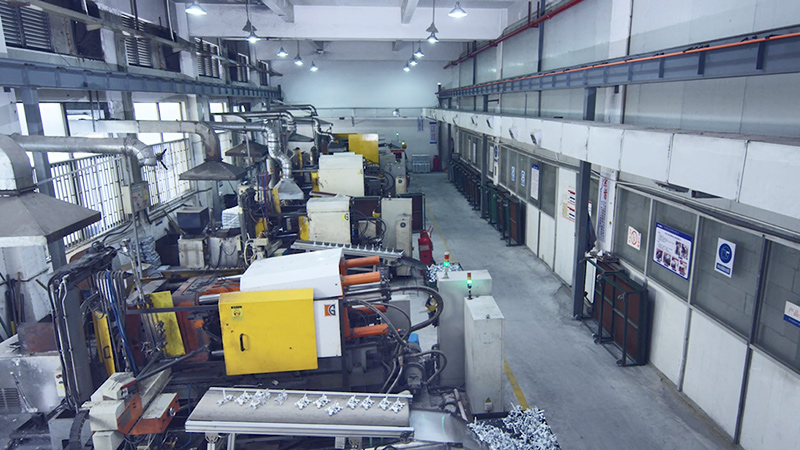
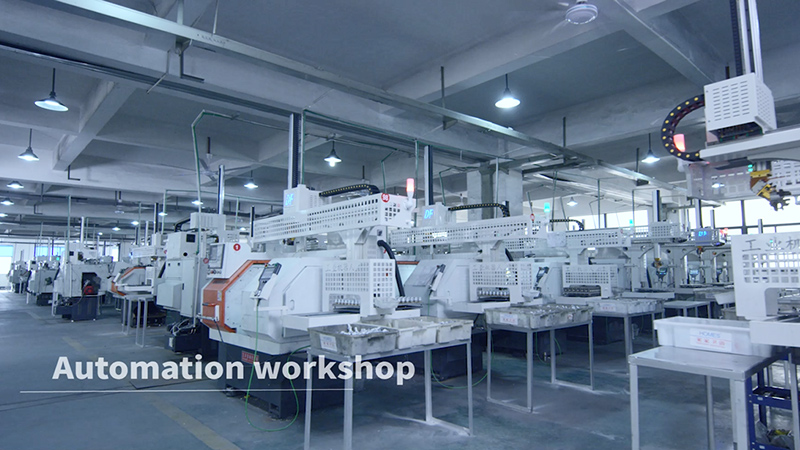
Buterfleoge possesses the operational scale and agility to quickly design, prototype, and produce premium homeware lines. We manage direct logistics corridors and utilize independent design research and development teams. Our manufacturing centers are equipped with standard workshops containing high-end CNC equipment, establishing a strong, scalable production capacity. We provide comprehensive distribution, agency, and retail services tailored to international standards.
Using computerized tooling to maintain exact physical tolerances for complex geometries and modern architectural ceramic silhouettes.
End-to-end transport management from our production zones straight to global shipping terminals, ensuring reliable delivery timelines.
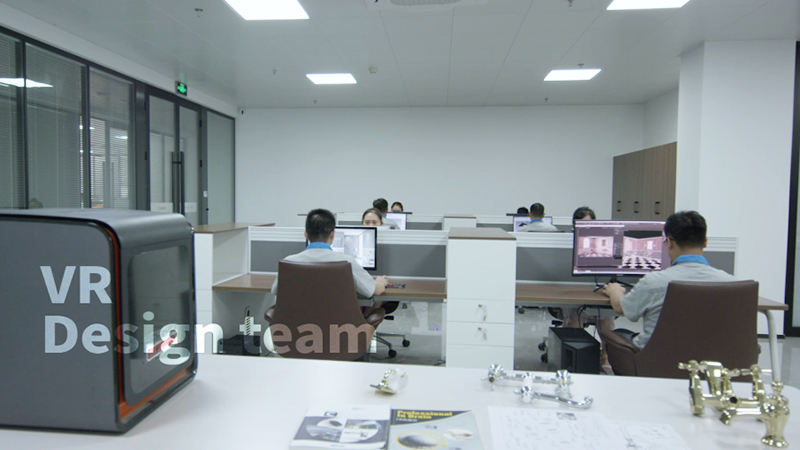
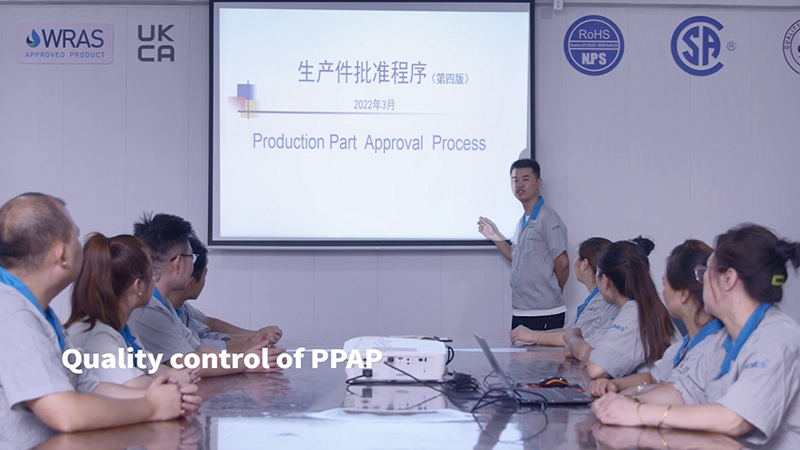
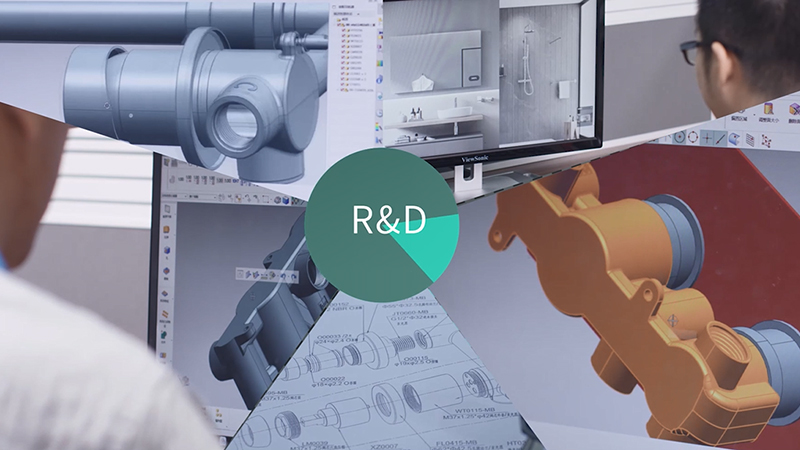
A global design platform founded on high craftsmanship, light luxury, and comprehensive interior solutions.
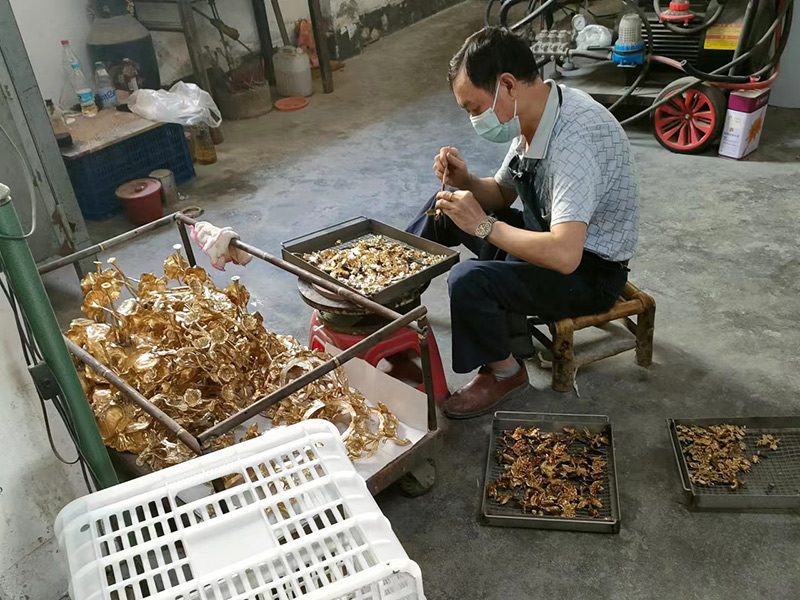
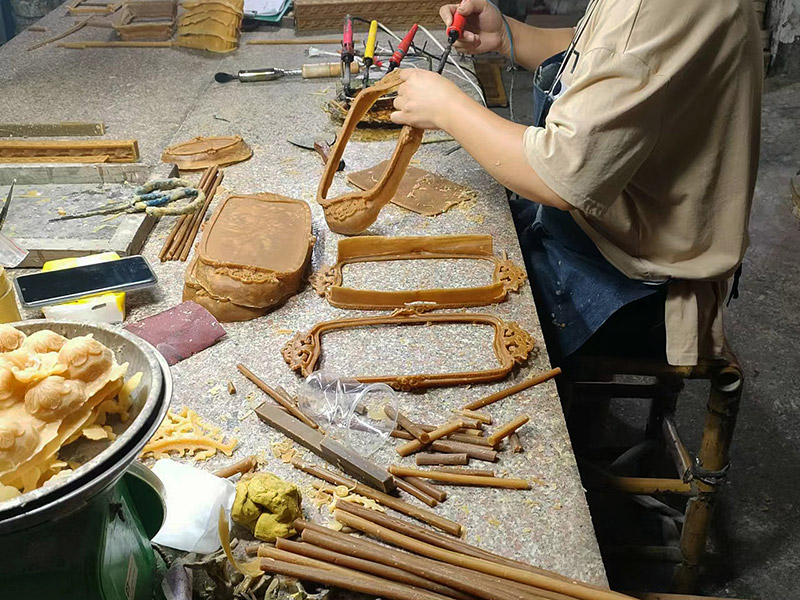
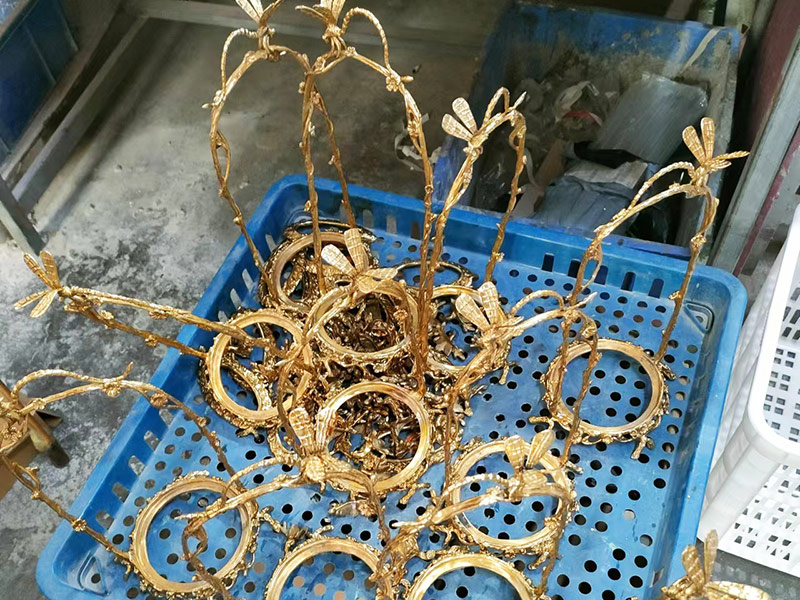
Buterfloge is an integrated brand and creative platform established in 2015, integrating R&D, innovation, and customization. The company is based in Guangdong, China. In the field of classic, refined, retro, and elegant furniture styles, it combines modern, natural and comfortable humanistic concepts to create a unique neoclassical aesthetic. Provide classic decoration inspiration for home improvement enthusiasts. We will select every high-quality product with exquisite workmanship and cultural heritage. We will collect high-quality light and luxurious craft treasures with unique noble style and exquisite manufacturing technology, as well as provide overall kitchen & bathroom solutions. It is famous for its plans and is favored by successful people, royal families and hotels from all over the world. Let every home lover who pursues fashion experience light luxury and fashion. Our products include: overall bathroom, copper handicrafts, ceramic ornaments, textile products, daily chemical products.
Founder Rona Chu loves classic antique bathroom designs and shabby chic home styles. "A retro bathroom product and fragrance can bring me back to good memories" "I remember my grandmother who always spends hours in the bathroom every day, and the impression she brought me is also the inspiration for my brand." A woman in 1980s slip dresses enjoying nature and revealing grace Noble flowers carry curves and a toned song for the flowers" We are always decent, confident and charming and go after what we think is worth it.
How we address environmental compliance, supply chain logistics, and production innovation.
As a leading handicraft supplier & exporter in Ethiopia, we recognize the importance of ESG (Environmental, Social, and Governance) compliance in modern procurement. Our supply chain utilizes mineral sources extracted under strict ecological permits, ensuring no degradation of local water tables or local ecosystems. Furthermore, we guarantee fair compensation and comprehensive health insurance for our local labor force, aligning our business with international social compliance guidelines.
Ceramic production has traditionally been energy-intensive. To address our carbon footprint, we have initiated a transition from heavy fuel oils to cleaner energy alternatives. By utilizing electric and natural-gas-assisted shuttle kilns equipped with high-efficiency waste heat recovery systems, we reduce carbon emissions per unit by up to 30%. This waste heat is captured and redirected to raw clay drying rooms, maximizing thermal efficiency throughout the facility.
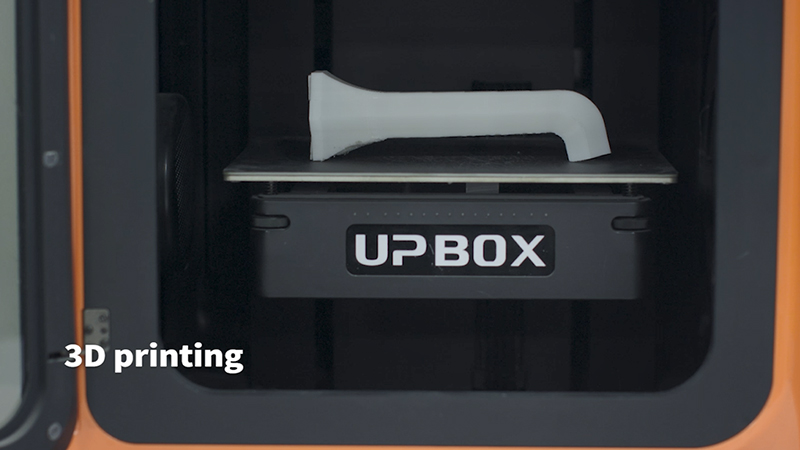
Our collaboration model integrates Guangdong’s advanced R&D systems with local manufacturing strengths. We employ 3D clay printers and high-speed CNC machines to create high-fidelity prototypes within 7 days. Once a client approves the physical prototype, we produce high-yield plaster molds that ensure dimensional consistency across large volumes—critical for contract hospitality projects and global retail distributions.
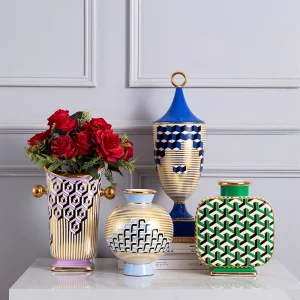
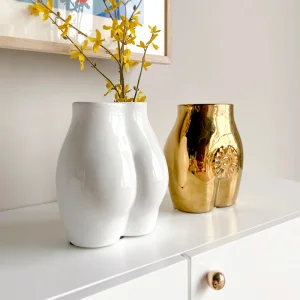
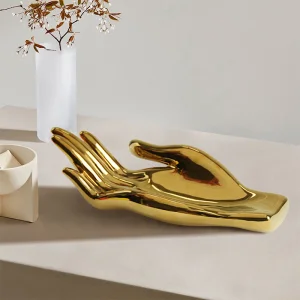
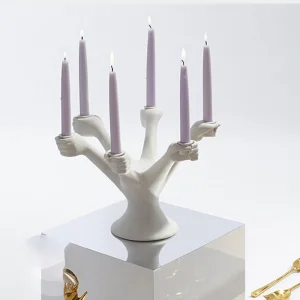
Explore our complete export catalog. Select any product to request structural datasheets, minimum order quantities (MOQ), and shipping estimates.

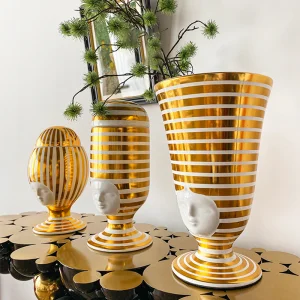
Addressing the technical, administrative, and logistical questions of global procurement agents and distributors.
 Buterfleoge